How to Find Cotswold Wildlife Park Jobs: Keeper Roles, Work Experience & Career Opportunities
Working with rhinos, feeding giraffes, preparing enrichment activities for primates, caring for reptiles, and spending your day around hundreds of animal species sounds like a dream for many wildlife enthusiasts. But turning that dream into a real career isn’t as simple as submitting a CV.
Cotswold Wildlife Park jobs are among the most competitive wildlife positions in the UK because vacancies are limited and many applicants already have years of hands-on animal-care experience. According to the park’s careers page, there are currently no animal-keeping vacancies and no immediate plans to recruit keeping staff. However, the park continues to offer work experience placements, keeper programs, educational opportunities, and career-development initiatives for aspiring zoo professionals.
If you’re interested in becoming a zoo keeper, animal-care specialist, veterinary professional, wildlife educator, or conservation worker, this article covers everything you need to know.
Why Cotswold Wildlife Park Jobs Are So Popular
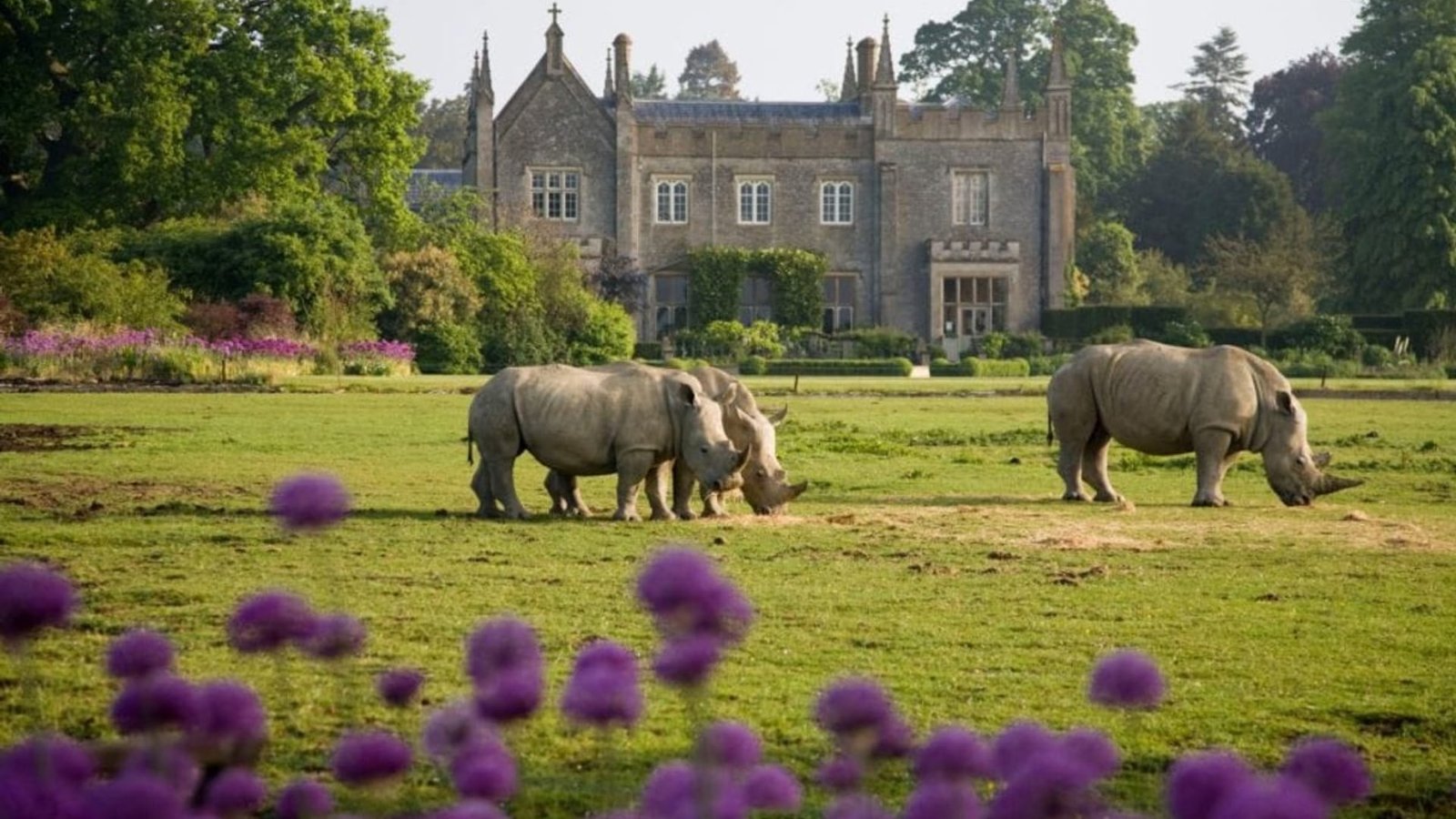
Unlike many smaller zoos, Cotswold Wildlife Park manages one of the UK’s largest zoological collections. The park covers approximately 160 acres and cares for around 260 animal species, creating opportunities for professionals across multiple disciplines. Several factors make jobs at the park particularly attractive:
- Working with exotic wildlife
- Exposure to a diverse animal collection
- Practical animal husbandry experience
- Conservation-focused programs
- Educational opportunities
- Career-development pathways
- Hands-on learning environments
Competition is intense because many positions combine practical animal care with conservation, education, research, and public engagement. If you are interested in animal care and zoo-related careers, exploring other wildlife attractions can also help you understand the different environments in which keepers work. You can read our guides to New Forest Wildlife Park, Beale Park, Greenwood Family Park, and Attwell Farm Park to discover more about wildlife parks, animal attractions and family-focused conservation experiences.
What Types of Jobs Are Available at Cotswold Wildlife Park?
Many people assume that every employee at a wildlife park is a zoo keeper. In reality, wildlife parks require professionals from many different fields.
Animal Keeper Jobs
Animal keepers are responsible for:
- Feeding animals
- Cleaning enclosures
- Monitoring animal behavior
- Preparing diets
- Maintaining habitats
- Recording animal data
- Creating enrichment activities
- Supporting veterinary procedures
Animal keeping is usually the most competitive department because it allows employees to work directly with animals.
Education Jobs
Wildlife parks also employ education specialists. Their responsibilities may include:
- Delivering educational talks
- Leading school programs
- Managing wildlife workshops
- Supporting visitor experiences
Educational staff play an important role in conservation awareness.
Veterinary Support Roles
Veterinary professionals help maintain animal health. Potential positions include:
- Veterinary nurses
- Veterinary assistants
- Animal health technicians
- Veterinary interns
The park accepts veterinary students for specific animal husbandry placements, although it doesn’t provide clinical veterinary placements.
Visitor Services Jobs
Wildlife parks also depend on staff working in:
- Admissions
- Customer service
- Gift shops
- Food services
- Event management
These roles can provide an entry point into the zoological industry.
Maintenance and Operational Roles
Behind every successful wildlife park is an operations team. Responsibilities may include:
- Landscaping
- Construction
- Habitat maintenance
- Electrical work
- Plumbing
- Equipment maintenance
Without these departments, animal care would be impossible.
How to Become a Zoo Keeper at Cotswold Wildlife Park
One of the biggest misconceptions is that loving animals automatically qualifies someone to become a zoo keeper. Professional animal care requires specialized knowledge and practical skills.
Step 1: Gain Relevant Qualifications
Most successful candidates have qualifications in fields such as:
- Animal management
- Zoology
- Animal science
- Animal behavior
- Wildlife conservation
- Veterinary science
The park specifically states that animal-management students should be enrolled in Level 3 Animal Management programs or university courses such as Zoology, Animal Science, or Animal Behaviour.
Step 2: Build Practical Experience
Experience often matters as much as formal education. Successful candidates frequently gain experience through:
- Work placements
- Animal shelters
- Farms
- Wildlife rehabilitation centers
- Volunteer programs
- Conservation organizations
Practical animal handling is essential.
Step 3: Learn Animal Husbandry
Animal husbandry includes:
- Diet preparation
- Habitat management
- Health monitoring
- Enrichment techniques
- Behavioral observation
These skills form the foundation of zoo keeping.
Step 4: Develop Physical Fitness
Many people underestimate how physically demanding zoo keeping can be. A typical day may involve:
- Lifting heavy equipment
- Preparing food
- Cleaning enclosures
- Carrying supplies
- Walking long distances
According to the park’s educational programs, participants should expect a significant amount of physical activity.
Cotswold Wildlife Park Work Experience Placements
Work experience is one of the most effective ways to enter the industry. The park offers placements lasting between one and four weeks. Participants must attend Monday through Friday from 8:00 a.m. to 5:00 p.m.
Who Can Apply?
Applicants must:
- Be at least 16 years old
- Demonstrate a genuine interest in animal-care careers
- Attend an informal interview
- Arrange their own transportation or accommodation
The wildlife park is located in a rural area with no public transportation available, so travel
planning is essential.
Which Animals Can You Work With?
The park divides animals into three major sections.
Herpetology
This section includes:
- Reptiles
- Amphibians
- Fish
- Invertebrates
Primates, Birds, and Small Mammals
Students may work with:
- Lemurs
- Meerkats
- Bats
- Otters
- Penguins
- Birds of prey
- Naked mole rats
- Parrots
Large Mammals
This section includes:
- Rhinos
- Giraffes
- Zebras
- Tapirs
- Wallabies
- Capybaras
Students aren’t permitted to work with large carnivores during placements.
What Does a Zoo Keeper Actually Do Every Day?
Many people imagine spending an entire day feeding animals. The reality is much more complex. Daily responsibilities often include:
| Responsibility | Description |
| Cleaning | Maintaining animal enclosures |
| Feeding | Preparing specialized diets |
| Observation | Monitoring animal health |
| Enrichment | Creating stimulating activities |
| Record keeping | Maintaining animal-care records |
| Education | Delivering public talks |
| Research | Supporting scientific projects |
Experienced keepers may also participate in:
- Nutritional studies
- Behavioral research
- Conservation projects
- Incubation programs
- Bird-rearing programs
These responsibilities were specifically highlighted in a recent keeper job description.
Cotswold Wildlife Park Salaries
Salary expectations vary depending on experience. A recently advertised full-time Keeper for Primates, Birds, and Small Mammals position offered a salary of £25,875.20 per year. Several factors influence salaries:
- Experience
- Education
- Animal specialization
- Additional responsibilities
- Leadership roles
Senior positions typically command higher salaries.
The Skills Employers Want Most
Academic qualifications alone won’t guarantee employment. Wildlife parks usually look for candidates who demonstrate:
Communication Skills
Keepers regularly interact with:
- Visitors
- Veterinarians
- Researchers
- Colleagues
Strong communication is essential.
Teamwork
Animal care is rarely an individual responsibility. Keepers collaborate daily with multiple departments.
Research Skills
Modern zoos increasingly emphasize:
- Conservation
- Behavioral studies
- Data collection
Research experience can significantly strengthen an application.
Problem-Solving
Animals don’t always behave predictably. Unexpected health issues, environmental changes, and behavioral challenges require quick decision-making.
The Zoo Keeper Academy: An Excellent Starting Point for Teenagers
One of the most valuable opportunities offered by the park is the Zoo Keeper Academy. The program is designed for young people aged 15 to 18. Participants spend five days learning both theoretical and practical aspects of zoo management. Topics include:
- Animal health
- Animal training
- Animal behavior
- Nutrition
- Enclosure design
- Conservation
The experience includes practical work with:
- Giraffes
- Camels
- Meerkats
- Reptiles
- Primates
The 2026 program has already sold out, highlighting the popularity of the academy.
Keeper for a Day: A Behind-the-Scenes Experience
If you’re at least 17 years old, the Keeper for a Day program provides an opportunity to work directly with professional keepers. Participants may:
- Prepare food
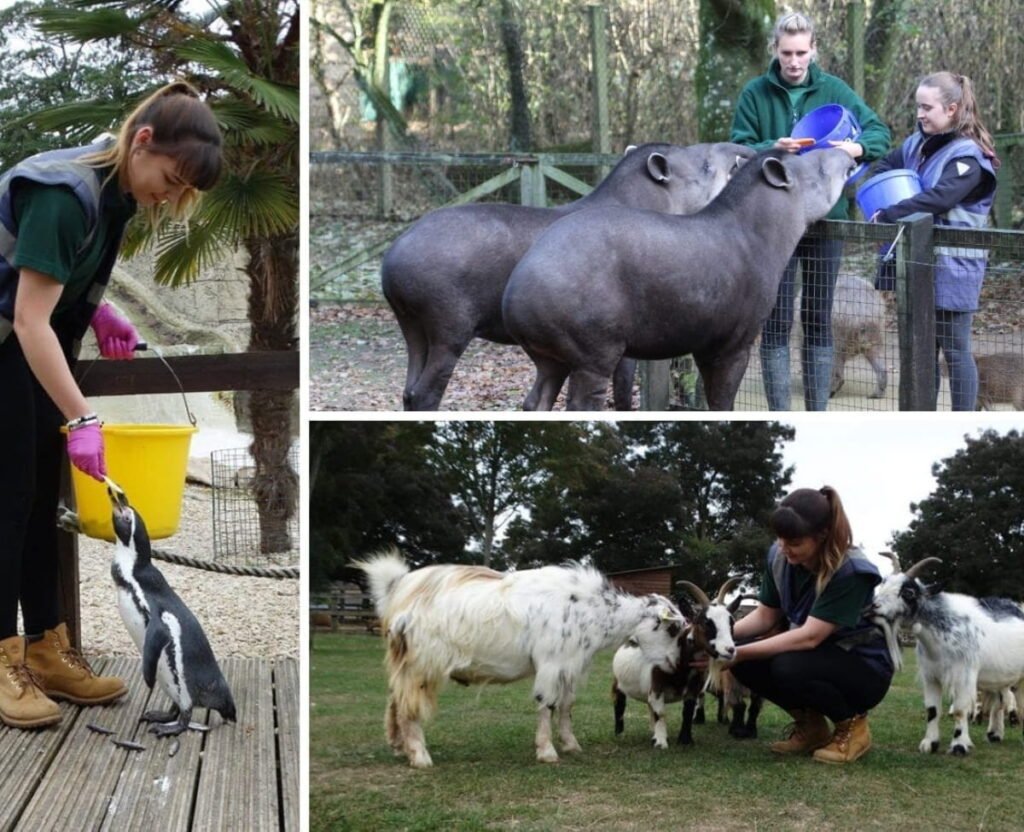
- Feed penguins
- Work with lemurs
- Visit reptile facilities
- Observe giant tortoises
- Learn enrichment techniques
The experience runs from 9:00 a.m. to 4:30 p.m. and currently costs £240.
Career Opportunities for Veterinary Students
Veterinary students can apply for EMS animal husbandry placements. However, applicants should be aware of an important limitation. The wildlife park doesn’t offer clinical veterinary placements because its caseload isn’t large enough to support them. Instead, students work alongside keepers and may observe veterinary procedures when opportunities arise.
Common Mistakes People Make When Applying for Zoo Jobs
Applying Without Experience
Wildlife parks usually prioritize practical experience.
Focusing Only on Academic Qualifications
A zoology degree is valuable, but employers also want hands-on skills.
Ignoring Volunteering Opportunities
Volunteer programs can significantly strengthen a CV.
Underestimating the Physical Demands
Animal care involves much more than interacting with animals. Cleaning, lifting, and maintenance occupy a significant portion of the working day.
Is Working at Cotswold Wildlife Park Worth It?
For people who genuinely love wildlife conservation, the answer is often yes.
Advantages
- Working with exotic species
- Conservation opportunities
- Research experience
- Diverse animal collections
- Educational development
Challenges
- Highly competitive positions
- Physically demanding work
- Limited vacancies
- Weekend responsibilities
- Long working hours
Success usually requires patience, persistence, education, and extensive practical experience.
Future Career Paths Beyond Cotswold Wildlife Park
Experience gained through work placements can lead to careers in:
- Zoos
- Aquariums
- Wildlife parks
- Conservation organizations
- Animal rehabilitation centers
- Veterinary services
- Wildlife education
The skills learned are transferable across the entire animal-care industry.
Is There a Better Way to Prepare Before Applying?
Yes. Instead of waiting for vacancies to appear, consider this progression:
Junior Keeper → Trainee Keeper → Zoo Keeper Academy → Work Experience → Volunteering → Professional Applications
This pathway provides progressively deeper exposure to animal care and can significantly strengthen future applications.
FAQs
Are there any keeper vacancies at Cotswold Wildlife Park at the moment?
The current careers page reports no keeper vacancies at this time.
Do I need a zoology degree?
Not necessarily, but animal-related qualifications are strongly recommended.
How old do I need to be for work experience?
Applicants must be at least 16 years old.
How long do work placements last?
Placements range from one to four weeks.
Can veterinary students apply?
Yes, but only for animal husbandry placements, not clinical veterinary placements.
What is the biggest challenge in becoming a zoo keeper?
The biggest challenge is gaining enough practical experience to compete for a limited number of positions.