Burford Cotswold Wildlife Park & Gardens: Animals, Tickets and Visiting Information
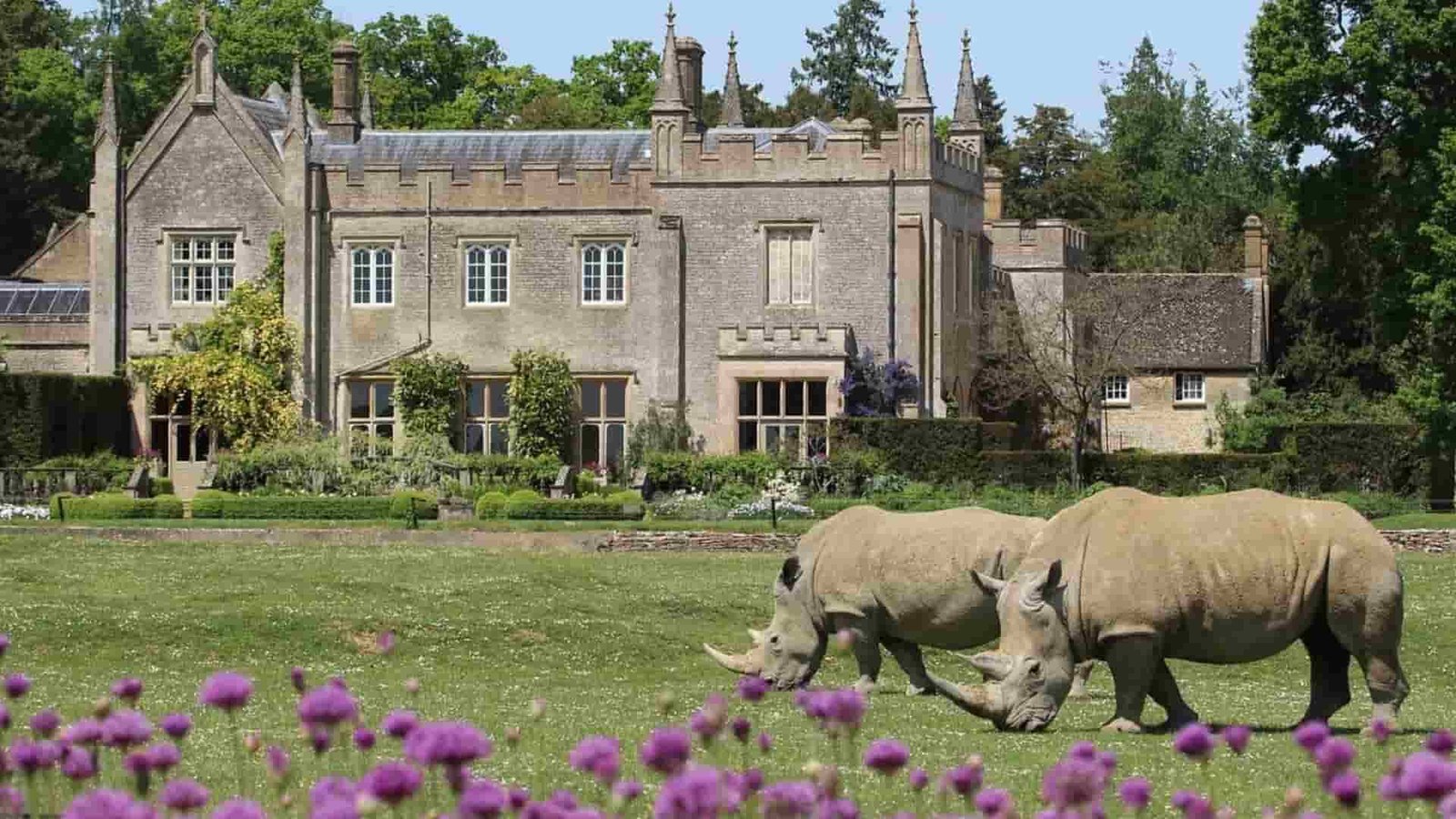
Burford Cotswold Wildlife Park is one of the best-known wildlife attractions in the Cotswolds, combining a zoo-style animal collection with spacious gardens and a walking-safari experience. Officially known as Cotswold Wildlife Park & Gardens, the attraction is located at Bradwell Grove, around two miles south of Burford in Oxfordshire.
For visitors searching for Cotswold Wildlife Park & Gardens Burford, the location is one of its biggest advantages. It is close enough to Burford to combine with a Cotswolds day out, while the park itself provides several hours of wildlife, gardens and family activities.
Table of Contents
Where Is Cotswold Wildlife Park & Gardens, Near Burford?
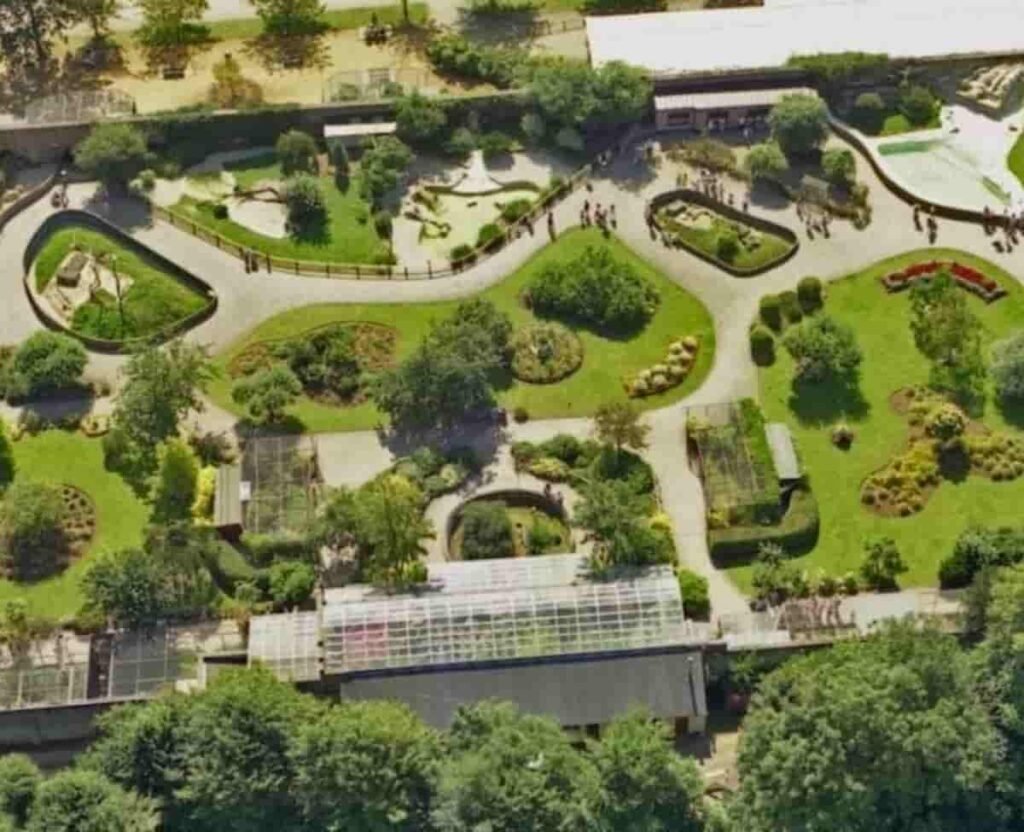
Cotswold Wildlife Park & Gardens is approximately 2 miles south of Burford, on the A361 towards Lechlade. Its address is Bradwell Grove, Burford, Oxfordshire, OX18 4JP. Although the attraction is commonly described as being in Burford, it is actually outside the town centre. The surrounding countryside gives the park its spacious character and allows animal habitats, lawns, mature trees and gardens to spread across more than 160 acres. For anyone staying in Burford, the short distance makes the wildlife park an easy addition to a wider Cotswolds itinerary.
How to Get From Burford to Cotswold Wildlife Park & Gardens
By Car
Driving is the most straightforward way to reach the park from Burford. The attraction is directly off the A361 and has free on-site parking. The journey from Burford is short, but it is worth allowing additional time during busy periods, particularly during school holidays and warmer weekends.
By Public Transport
Public transport is less convenient than driving. The nearest bus stop is around two miles from the park, while the relevant section of the A361 does not provide a suitable continuous walking route. If you are travelling without a car, a combination of public transport and a taxi for the final part of the journey can be more practical.
Can You Walk From Burford to Cotswold Wildlife Park?
The park is only around two miles from Burford, but the distance should not be confused with an easy pedestrian route. The A361 section has no footpath, so walking there is not recommended.
What Is Cotswold Wildlife Park & Gardens?
Cotswold Wildlife Park & Gardens is a wildlife attraction that sits somewhere between a traditional zoo and a safari park. Visitors do not drive through animal enclosures. Instead, they leave their cars in the car park and explore the grounds on foot. This is why the park describes its experience as a walking safari. The setting is a major part of the attraction. Animal habitats are surrounded by landscaped gardens, lawns, trees and historic features, creating a very different atmosphere from a compact city zoo.
Animals at Cotswold Wildlife Park
Wildlife is the main attraction, with a collection covering large mammals, predators, primates, birds, reptiles, amphibians and smaller mammals.
Giraffes
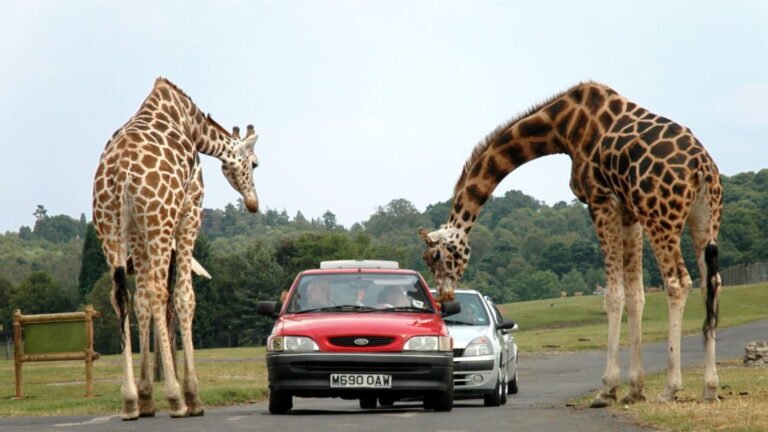
Giraffes are among the most recognisable animals at the park and a highlight for many visitors. Their large outdoor habitat allows visitors to watch these animals within the wider parkland setting.
Asiatic Lions
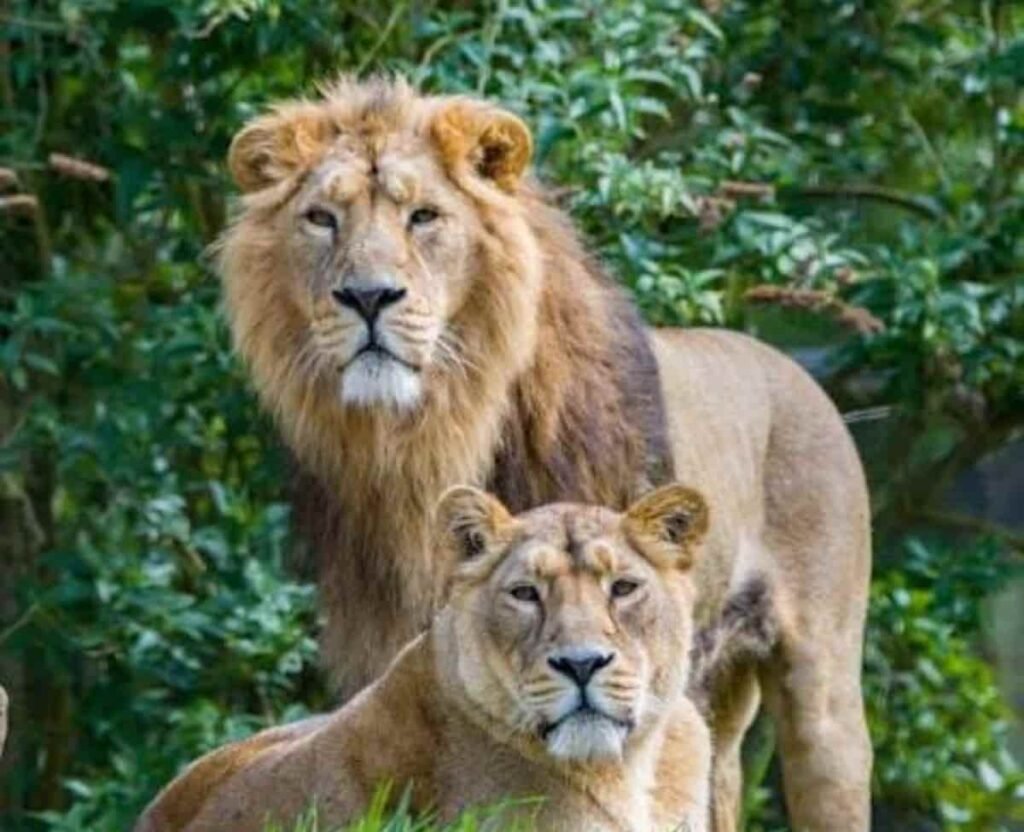
The park is home to Asiatic lions, providing visitors with the chance to see one of the world’s most recognisable big cats. Their presence also adds variety to a collection that includes herbivores, primates, birds and smaller species.
White Rhinos and Zebras
Southern white rhinos and zebras are other major wildlife highlights. Seeing large herbivores within spacious outdoor habitats is an important part of the park’s walking-safari feel.
Lemurs and Madagascan Wildlife
The Madagascar area offers a very different experience. Lemurs and other Madagascan species can be observed in a dedicated environment, allowing visitors to see animals associated with one of the world’s most distinctive wildlife regions.
Penguins
Humboldt penguins are another popular attraction. Keeper feeding sessions and talks provide additional opportunities to learn about their behaviour and care.
Other Animals
The collection also includes species such as:
- Brazilian tapirs
- Bactrian camels
- Giant anteaters
- Capybaras
- Giant tortoises
- Red pandas
- Meerkats
- Small-clawed otters
- Birds
- Reptiles
- Amphibians
The variety means the experience is not limited to traditional safari animals.
What Makes Cotswold Wildlife Park Different From a Traditional Zoo?
The biggest difference is the setting. Rather than moving through a series of closely grouped exhibits, visitors walk through a large parkland environment where wildlife areas sit alongside gardens and open spaces. This creates a slower, more outdoor-focused experience. You can spend time watching an animal, continue walking through the gardens and then move into a completely different habitat. It is also why Cotswold Wildlife Park & Gardens Burford is useful as a search term: the attraction combines two experiences people often look for separately—wildlife and gardens.
Best Things to See at Cotswold Wildlife Park & Gardens
There is a lot to explore, but several areas deserve particular attention.
Giraffe Walkway
The giraffe area is one of the park’s major attractions and an obvious stop for first-time visitors.
Madagascar
The Madagascar area provides a closer look at lemurs and other wildlife from the island, with a dedicated walking experience.
Asiatic Lions
The lion habitat is another important stop for visitors interested in big cats.
Humboldt Penguins
If penguins are high on your list, check the day’s activity schedule so you can time your visit around the keeper feeding session.
Reptile House
The Reptile House provides an indoor section of the park and adds species diversity beyond the large outdoor mammals.
Children’s Farmyard
Families with younger children can visit the Children’s Farmyard for a more interactive introduction to farm animals.
The Gardens at Cotswold Wildlife Park
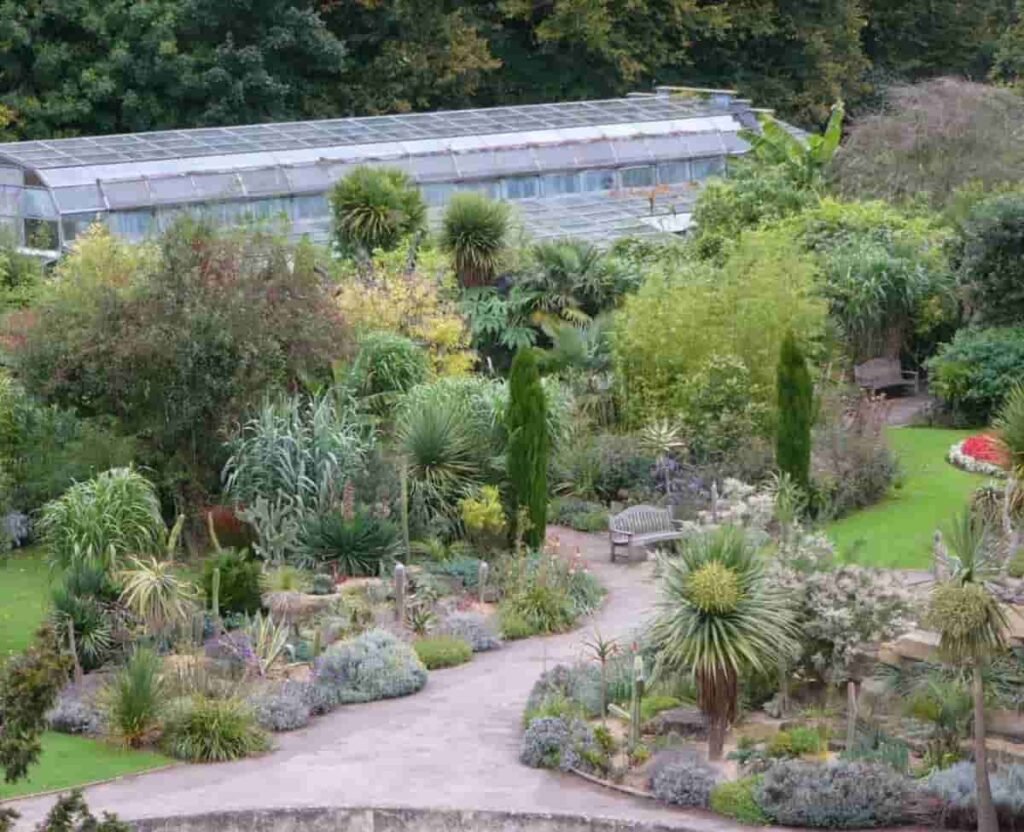
The gardens are an important part of what makes the attraction different from a conventional zoo. The 160-acre setting includes landscaped areas, lawns, mature planting and the historic surroundings of the estate. Gardens are integrated into the visitor experience rather than being treated as a completely separate attraction. This also means the park can appeal to people who enjoy horticulture and landscape design as well as wildlife. The combination of Cotswold Wildlife Park and gardens makes it possible to spend part of a visit watching animals and another part simply enjoying the grounds.
Family Activities at Cotswold Wildlife Park
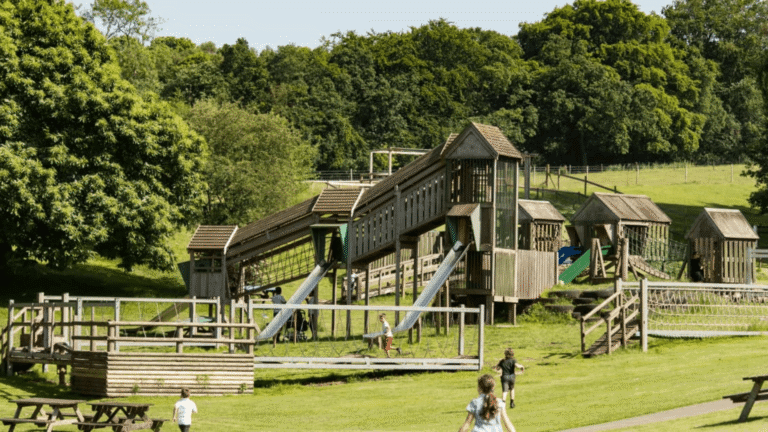
The attraction is designed to work as a full family day out rather than simply an animal collection. Children can visit the Children’s Farmyard, while the Adventure Playground and Skymaze provide dedicated spaces for climbing and play. The park also has a narrow-gauge railway that operates seasonally, giving families another way to enjoy the grounds and take a break from walking. Picnic areas and open lawns are useful for families who want to stop between animal areas.
Animal Encounters and Keeper Activities
Cotswold Wildlife Park offers additional animal experiences for visitors who want to learn more about individual species. Depending on the current programme, encounters can involve animals such as giraffes, lemurs, penguins, giant tortoises, tapirs and capybaras. Regular keeper activities also provide a useful way to understand animal behaviour, feeding routines and care without needing to book a private experience. Activity times can change, so it is sensible to check the current schedule when planning your visit.
How Long Do You Need at Cotswold Wildlife Park?
The park recommends allowing at least four hours for a visit. That makes sense given the size of the grounds and the number of animal habitats, gardens and family facilities. Four hours can provide enough time for the main wildlife areas, but families with children may want longer if they also plan to use the playground, visit the farmyard, attend keeper talks or take the railway. If you want a relaxed experience rather than rushing between exhibits, treating it as a half-day or longer visit is more realistic.
Cotswold Wildlife Park Opening Times and Tickets
Opening hours vary according to the season. The park generally has longer opening hours during the main visitor season, while winter arrangements can be shorter. Ticket prices also change, so visitors should check the latest admission information before travelling rather than relying on an old price found elsewhere. Booking online can also be useful when planning a visit, particularly during busy periods.
Facilities at Cotswold Wildlife Park & Gardens
Useful visitor facilities include:
- Free on-site parking
- Restaurant and refreshments
- Picnic areas
- Toilets
- Baby-changing facilities
- Children’s play areas
- Gift shop
- Accessibility facilities
Because the park covers a large area, comfortable footwear is worthwhile even if you are not planning a particularly long walk.
Is Cotswold Wildlife Park Worth Visiting From Burford?
Yes, particularly if you are already exploring the Cotswolds and want to add a wildlife attraction to your day. The short distance from Burford makes the park convenient, while its combination of animals, gardens and family activities gives it enough substance to justify several hours. It is particularly suitable for visitors who prefer walking around animal habitats rather than driving through a safari park. The attraction can also work well as part of a wider Burford day out, allowing visitors to experience the town and countryside as well as the wildlife park.
FAQs
How far is Cotswold Wildlife Park from Burford?
Cotswold Wildlife Park & Gardens is approximately two miles south of Burford on the A361.
Is Cotswold Wildlife Park in Burford?
The park is associated with Burford but is actually located outside the town at Bradwell Grove, approximately two miles south of Burford.
What is Cotswold Wildlife Park & Gardens?
It is a wildlife attraction combining a zoo-style animal collection, spacious landscaped habitats and gardens across more than 160 acres. Visitors explore the park on foot in a walking-safari style.
What animals can you see at Cotswold Wildlife Park?
Animals include giraffes, Asiatic lions, southern white rhinos, zebras, lemurs, Humboldt penguins, Brazilian tapirs, Bactrian camels, giant anteaters, capybaras and giant tortoises, among many others.
Can you walk from Burford to Cotswold Wildlife Park?
Although the park is only around two miles from Burford, walking is not recommended because there is no suitable footpath along the relevant section of the A361.
How long should you spend at Cotswold Wildlife Park?
The park recommends allowing at least four hours. Families may want longer if they plan to use the children’s facilities and attend animal activities.
Is Cotswold Wildlife Park good for children?
Yes. The Children’s Farmyard, Adventure Playground, Skymaze and seasonal railway provide activities alongside the animal collection.
Does Cotswold Wildlife Park have gardens?
Yes. Gardens are a major part of the attraction and are integrated throughout the wildlife park’s large parkland setting.
Is there parking at Cotswold Wildlife Park?
Yes. The attraction provides free on-site parking.
Is Cotswold Wildlife Park worth visiting?
For visitors staying in Burford or exploring the Cotswolds, it is a strong choice for combining wildlife, gardens and family activities in one location.
Cotswold Wildlife Park & Gardens Near Burford
The combination of Burford Cotswold Wildlife Park and Cotswold Wildlife Park & Gardens Burford reflects exactly why the attraction is so convenient for a Cotswolds visit. It is close to Burford but surrounded by enough countryside and parkland to feel separate from the town. With large mammals, big cats, birds, primates, reptiles, landscaped gardens and family activities, it offers considerably more than a conventional zoo visit. If you are spending time in Burford, the wildlife park is an easy way to add several hours of wildlife and outdoor exploration to your day.