25 Best Things to Do in Porto: What to Do, See and Experience
If you are wondering what to do in Porto, the best experiences go beyond ticking off famous landmarks. Porto combines a historic riverside centre, dramatic viewpoints, Portuguese architecture, azulejo tiles, Port wine cellars, traditional food and the Atlantic coast. For a first visit, focus on the historic centre, Ribeira, the Dom Luís I Bridge and Vila Nova de Gaia. Then add experiences such as a Douro River cruise, local food, Livraria Lello and a visit to Foz do Douro. Porto’s compact centre makes it possible to see many major sights in a relatively short visit, although the city’s steep streets mean a sensible route is important.
The Best Things to Do in Porto at a Glance
- Explore Ribeira
- Walk Across the Dom Luís I Bridge
- Visit São Bento Railway Station
- See Porto Cathedral
- Climb Clérigos Tower
- Visit Livraria Lello
- Visit Igreja do Carmo
- Explore Rua das Flores
- Visit Palácio da Bolsa
- See Igreja de São Francisco
- Taste Port Wine in Vila Nova de Gaia
- Take a Douro River Cruise
- Watch the Sunset at Jardim do Morro
- Visit Mercado do Bolhão
- Try a Francesinha
- Try Other Portuguese Specialities
- Explore Avenida dos Aliados
- Visit Palácio de Cristal Gardens
- Explore Serralves
- Visit Casa da Música
- Explore Foz do Douro
- Walk Along Porto’s Atlantic Coast
- Explore Porto’s Neighbourhoods
- Enjoy Porto After Dark
- Take a Day Trip From Porto
1. Explore Ribeira
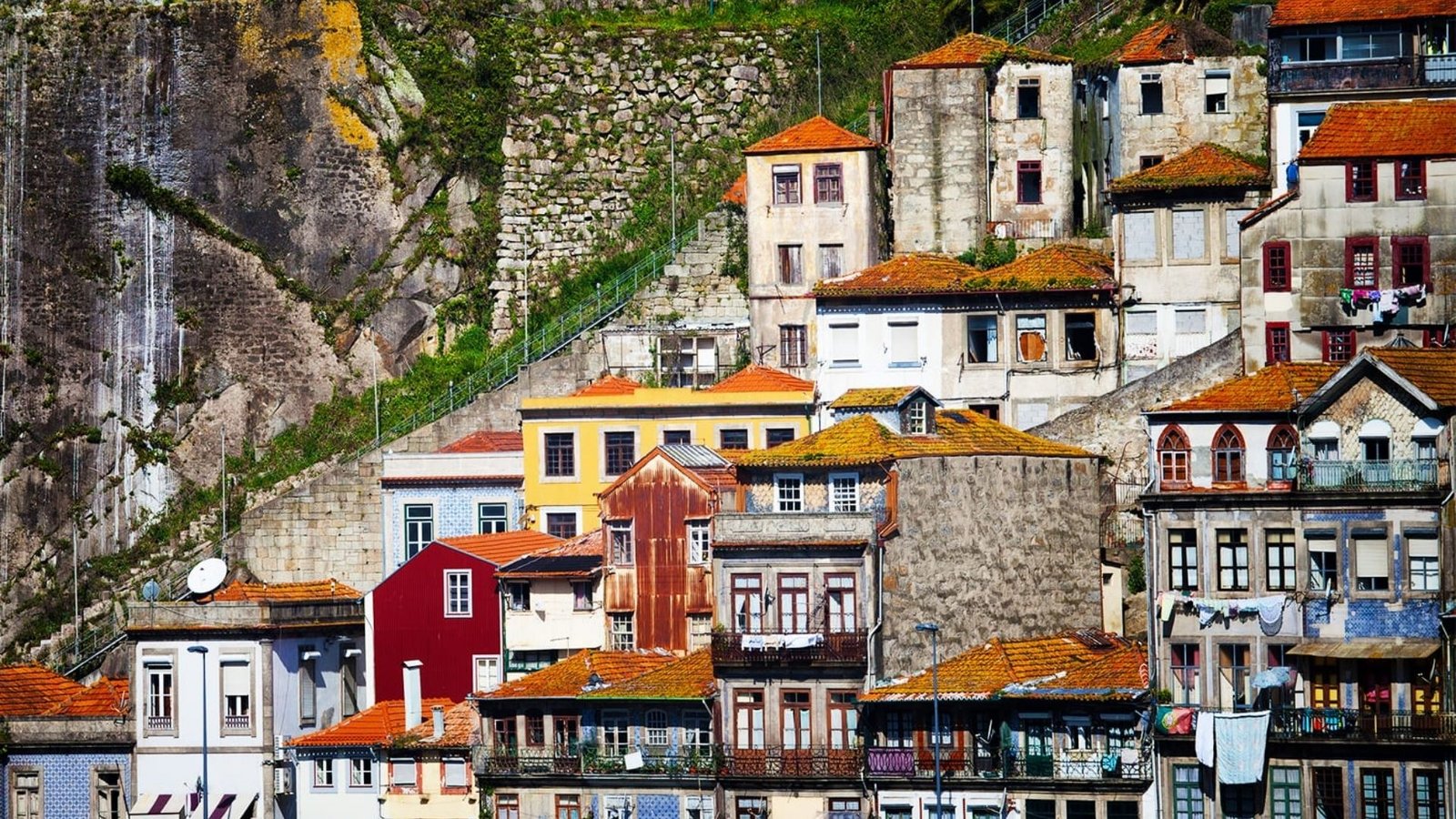
Ribeira is the natural starting point for exploring Porto. The historic neighbourhood runs along the Douro River, with colourful buildings, narrow streets, cafés and views towards Vila Nova de Gaia. Walk along the waterfront, then explore some of the smaller streets behind it. This gives you a better sense of Porto’s historic character than simply stopping at the river for photographs.
Ribeira also makes a convenient base for reaching the Dom Luís I Bridge and starting a Douro River cruise.
2. Walk Across the Dom Luís I Bridge
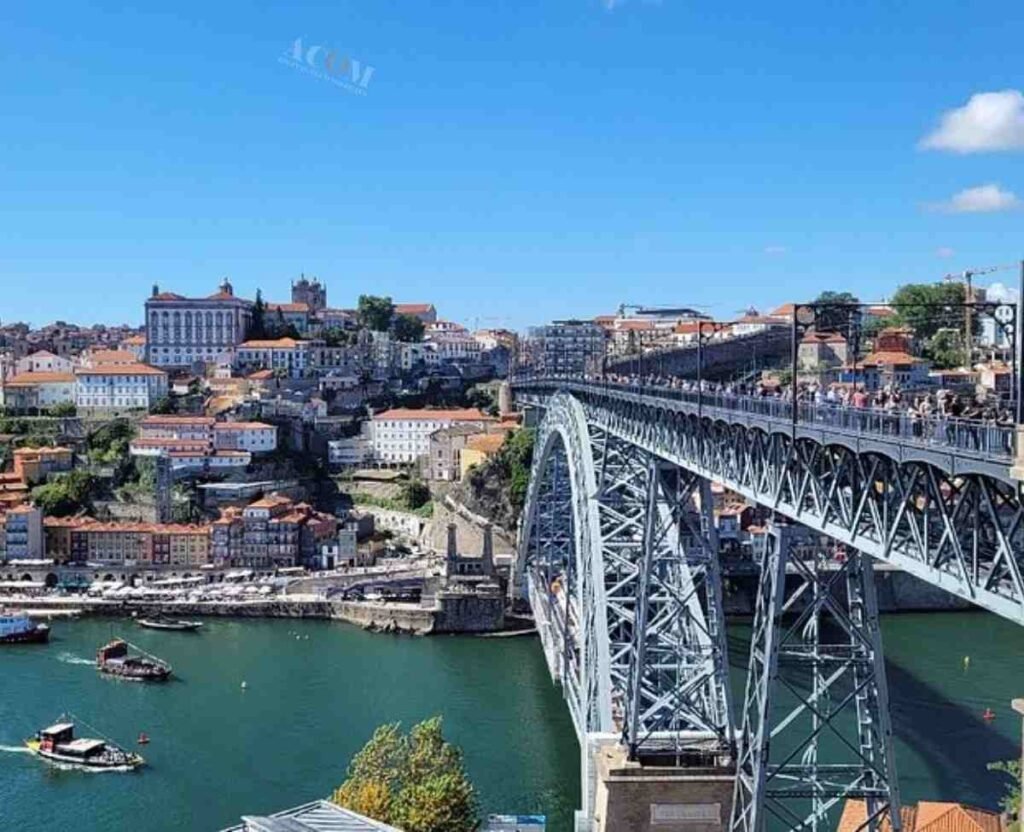
The Dom Luís I Bridge is one of Porto’s most recognisable landmarks and connects the city with Vila Nova de Gaia. Walking across the upper level provides impressive views over the Douro and the historic buildings on both sides. It is also an easy way to combine Porto’s old town with Gaia’s Port wine cellars. For first-time visitors, crossing the bridge is more useful than simply photographing it because it naturally connects several major experiences.
3. Visit São Bento Railway Station
You do not need to catch a train to visit São Bento Station. The main entrance hall is famous for its extensive blue and white azulejo tilework, depicting historical events and scenes from Portuguese life. It is located in the centre and can easily be included in a walking route through Porto. A good route is to combine São Bento with Porto Cathedral, Clérigos, Rua das Flores and Ribeira.
4. See Porto Cathedral
Porto Cathedral, known as Sé do Porto, stands above the historic centre and is one of the city’s major religious landmarks. The cathedral area is also useful as a viewpoint because of its elevated position. From here, you can continue downhill towards Ribeira while exploring the older streets of Porto. If you have limited time, the cathedral works particularly well as part of a historic centre walking route.
5. Climb Clérigos Tower
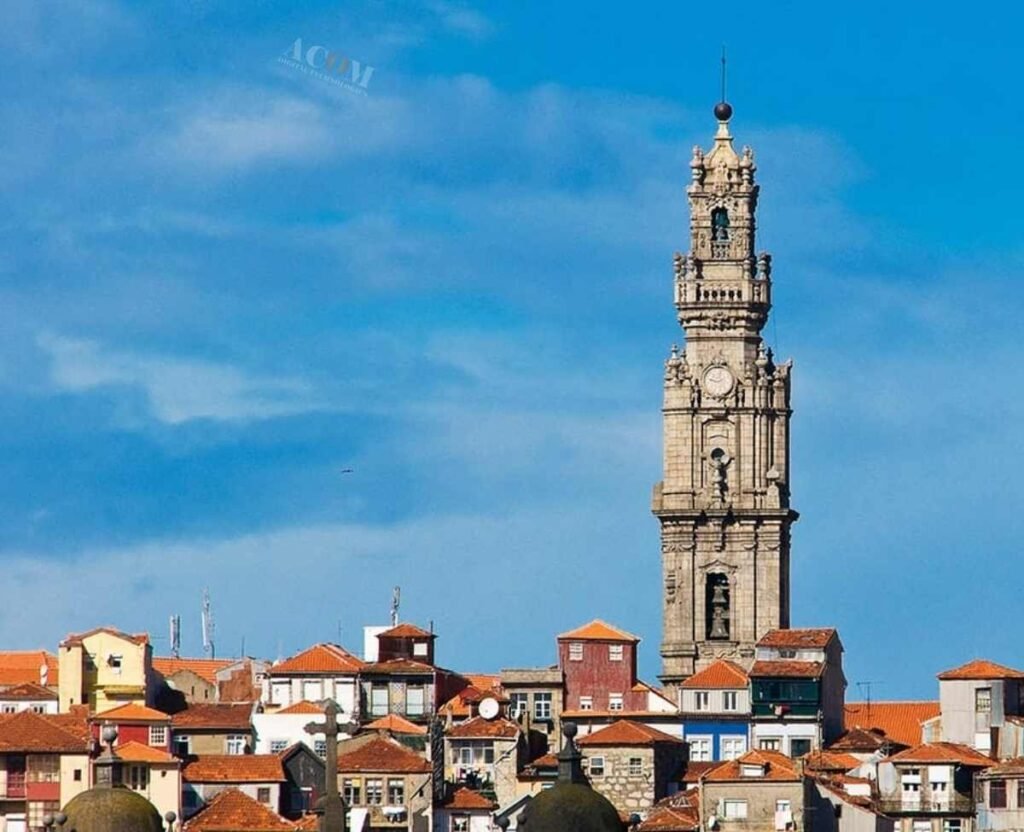
Clérigos Tower is one of Porto’s most famous viewpoints. The Baroque tower rises about 75 metres and requires a substantial climb to reach the top. The reward is a panoramic view across Porto’s rooftops, historic centre and the Douro. It is worth considering your fitness and comfort with stairs before choosing it. If you do not want the climb, Porto has several alternative viewpoints that can be reached more easily.
6. Visit Livraria Lello
Livraria Lello is one of Porto’s most recognisable attractions. The historic bookshop is known for its neo-Gothic architecture, elaborate staircase, stained-glass ceiling and extensive book collection. It dates back to 1906. The bookshop is close to Clérigos Tower, making it easy to visit both in the same part of the city. Because of its popularity, plan this stop rather than expecting a quiet, spontaneous visit.
7. Visit Igreja do Carmo
Igreja do Carmo is particularly famous for its striking exterior covered with blue,and,white azulejo tiles. It is located near Clérigos and Livraria Lello, so you can easily include it in the same walking route. The church is a good example of how Porto’s architecture and tilework can be as interesting as its major monuments.
8. Explore Rua das Flores
Rua das Flores is one of the historic centre’s most enjoyable streets for walking. The pedestrian-friendly route connects important parts of central Porto and is lined with historic buildings, cafés, shops and restaurants. It is best experienced slowly rather than treated as a single attraction. Walk the street while moving between São Bento, Ribeira and other nearby landmarks.
9. Visit Palácio da Bolsa
Palácio da Bolsa, or the Stock Exchange Palace, is one of Porto’s most impressive historic buildings. Its interior includes the grand Pátio das Nações and the famous Arabian Hall, making it particularly worthwhile for visitors interested in architecture and history. It is located close to the historic centre and Ribeira, so it does not require a separate journey.
10. See Igreja de São Francisco
Igreja de São Francisco stands out for its richly decorated Baroque interior and extensive gilded woodwork. The contrast between its relatively restrained exterior and elaborate interior makes it one of the more memorable historic churches in Porto. It is close to Palácio da Bolsa and Ribeira, making these attractions easy to combine.
11. Taste Port Wine in Vila Nova de Gaia
For many visitors, tasting Port wine is one of the essential things to do in Porto. The wine cellars are across the Douro in Vila Nova de Gaia. A cellar visit usually combines information about Port production and ageing with a tasting. You do not need to visit several cellars to experience Porto’s wine culture. One well-chosen tasting can be enough, leaving time to explore the Gaia waterfront and viewpoints.
12. Take a Douro River Cruise
A Douro River cruise provides a different perspective of Porto. From the water, you can see Ribeira, Gaia, the bridges, water based activites and the hills rising behind the city. Short cruises are particularly useful if you want to experience the river without spending an entire day away from the city. A cruise also provides a welcome break after walking through Porto’s steep streets.
13. Watch the Sunset From Jardim do Morro
Jardim do Morro, on the Gaia side of the river, is one of the most popular places to watch the sun go down over Porto. The elevated position gives you a broad view towards Ribeira and the Dom Luís I Bridge. It works especially well after visiting the Port wine cellars because you can remain on the Gaia side rather than crossing back immediately.
14. Visit Mercado do Bolhão
Mercado do Bolhão is a good choice if you want to experience Porto’s food culture and everyday atmosphere. Rather than treating it as just another sightseeing stop, use the market as an opportunity to see local produce and combine your visit with lunch or a snack. Its central location also makes it easy to combine with other attractions in the city centre.
15. Try a Francesinha

A trip to Porto should include at least one local food experience, and the francesinha is one of the city’s best-known dishes. It is a substantial sandwich covered with melted cheese and a rich sauce, traditionally made with several types of meat. It is considerably heavier than a typical quick lunch, so plan accordingly.
16. Try Other Portuguese Specialities
Do not limit your food experience to francesinha. Look for traditional Portuguese dishes such as bacalhau, grilled fish, soups, and regional pastries. A pastel de nata is an easy choice for a snack or dessert. For a more useful food experience, eat at traditional restaurants and local cafés rather than trying to fit every famous dish into one meal.
17. Explore Avenida dos Aliados
Avenida dos Aliados is one of Porto’s principal central avenues and a useful orientation point for first-time visitors. The avenue is framed by grand buildings and leads towards important parts of the historic centre. It is also close to São Bento, Bolhão and several shopping and dining streets, so it is easy to pass through during a city walk.
18. Visit Palácio de Cristal Gardens
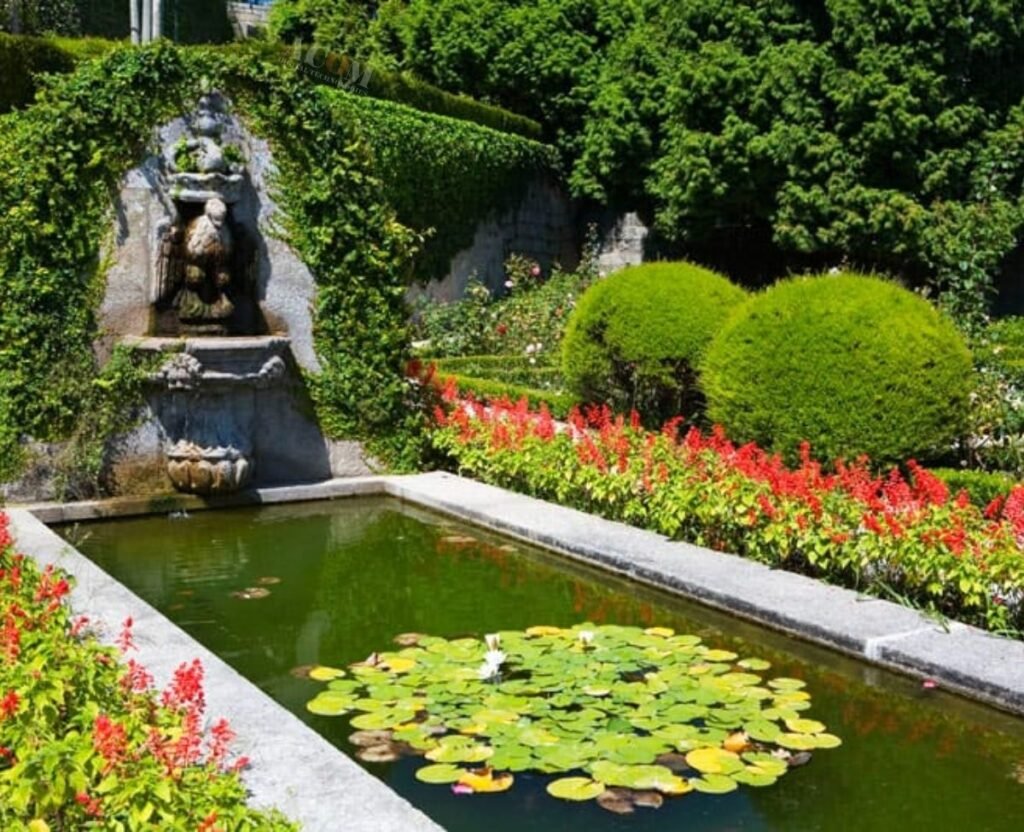
The gardens surrounding Palácio de Cristal provide a quieter alternative to the busiest central attractions. The elevated setting offers views towards the Douro, while the gardens themselves provide open space for walking and relaxing. This is a particularly good choice when you want to slow down after spending several hours exploring Porto’s historic centre.
19. Explore Serralves
Serralves combines contemporary art, architecture and landscaped gardens. It provides a useful change of pace if your Porto itinerary has been dominated by churches, historic buildings and riverfront attractions. The complex includes a contemporary art museum and extensive grounds, making it suitable for visitors who want to explore Porto’s modern cultural side.
20. Visit Casa da Música
Casa da Música is one of Porto’s most distinctive modern buildings and an important cultural venue. Its architecture provides a clear contrast with the city’s older churches, tiled façades and Baroque landmarks. If you enjoy architecture or music, it is worth checking what performances or tours are available during your stay.
21. Explore Foz do Douro
Foz do Douro is where Porto meets the Atlantic Ocean, offering a very different atmosphere from the historic centre. Instead of narrow streets and old buildings, you will find beaches, promenades, sea views and waterfront cafés. Foz is particularly useful for a longer Porto stay or for anyone who wants a quieter afternoon away from the busiest tourist areas.
22. Walk Along Porto’s Atlantic Coast
The coastline around Porto gives you another way to experience the city. A coastal walk can be combined with Foz and nearby beaches, while the oceanfront provides a change from the Douro scenery around Ribeira. If you have already explored the historic centre, spending several hours beside the Atlantic can make the trip feel more varied.
23. Explore Porto’s Neighbourhoods
Some of the best experiences in Porto happen away from the main landmarks. Cedofeita is a good area for independent shops, galleries and cafés, while Bonfim offers another side of the city away from the busiest tourist routes. You do not need a strict sightseeing list in these neighbourhoods. Allowing yourself time to walk, stop for coffee and explore smaller streets can be more rewarding than rushing towards another landmark.
24. Enjoy Porto After Dark
Porto is worth exploring after the major attractions close. Take an evening walk along Ribeira, cross the river towards Gaia, have dinner at a traditional restaurant or find a viewpoint overlooking the Douro. For a cultural evening, look for Portuguese live music or a traditional Fado performance. The best evening plans are usually simple because Porto’s illuminated historic centre and riverfront provide much of the atmosphere themselves.
25. Take a Day Trip From Porto
If you have more than two or three days, consider exploring beyond the city.
Douro Valley
The Douro Valley is the strongest choice for wine, scenery and river landscapes. It is particularly worthwhile if Port wine is one of the main reasons for your trip.
Braga
Braga is a good option for history, religious architecture and a different urban experience.
Guimarães
Guimarães is another worthwhile historical destination and can add a different perspective on northern Portugal.
Aveiro
Aveiro is suited to travellers interested in canals, colourful architecture and a slower coastal city atmosphere. For a short weekend, however, staying in Porto is usually better than trying to squeeze several day trips into the itinerary.
Best Free Things to Do in Porto
You can experience plenty of Porto without paying an admission fee. Some of the best options include:
- Walking through Ribeira
- Crossing the Dom Luís I Bridge
- Exploring Porto’s historic streets
- Visiting São Bento Station
- Viewing the exterior of Porto Cathedral
- Walking along the Gaia waterfront
- Exploring local neighbourhoods
- Enjoying public viewpoints
- Walking along the Atlantic coast
Porto’s architecture, hills and river views are some of its biggest attractions, and many of them can be enjoyed simply by walking around the city.
What to Do in Porto in 1 Day
If you only have one day, avoid trying to see all 25 attractions. Start at São Bento Station, then walk towards Porto Cathedral and continue through the historic streets towards Ribeira. From the riverfront, cross the Dom Luís I Bridge into Vila Nova de Gaia. Visit one Port wine cellar and spend some time along the waterfront before heading to a viewpoint such as Jardim do Morro.
This route covers several of Porto’s defining experiences without wasting time travelling between distant parts of the city.
What to Do in Porto in 2 Days
Two days give you much more flexibility. On the first day, focus on the historic centre, including:
- São Bento Station
- Porto Cathedral
- Clérigos Tower
- Livraria Lello
- Igreja do Carmo
- Ribeira
- Dom Luís I Bridge
Use the second day for:
- Mercado do Bolhão
- Port wine tasting
- Douro River cruise
- Palácio de Cristal
- Foz do Douro
- A relaxed evening in Ribeira or Gaia
This gives you a better balance between sightseeing and experiencing the city.
How Many Days Do You Need in Porto?
Two days are enough for the main sights, while three days allow you to explore at a slower pace and add Foz, Serralves, or another experience. With four or more days, a Douro Valley day trip becomes easier to include. Current travel guidance similarly places two days around the essentials and three or more days as a better option for excursions beyond the city. The important thing is not to fill every hour. Porto’s steep streets, cafés, viewpoints and riverfront are part of the experience.
Practical Tips for Visiting Porto
Porto is compact, but it is not completely flat. The historic centre contains steep streets, stairs and cobbled surfaces, so comfortable shoes are important. A few practical tips can make your visit easier:
- Group attractions by neighbourhood.
- Book popular timed attractions ahead when necessary.
- Start sightseeing early if you want quieter streets.
- Allow extra time for hills and stairs.
- Plan around the Douro River rather than treating it as a separate part of the city.
- Combine Ribeira with Gaia and the Dom Luís I Bridge.
- Leave some unplanned time for food and wandering.
- Consider Foz if you want a break from the historic centre.
FAQs
What are the best things to do in Porto?
The best things to do in Porto include exploring Ribeira, crossing the Dom Luís I Bridge, visiting São Bento Station, seeing Livraria Lello, climbing Clérigos Tower, tasting Port wine in Gaia and taking a Douro River cruise.
What is Porto famous for?
Porto is best known for Port wine, its historic centre, the Douro River, azulejo tiles, distinctive architecture, and traditional Portuguese food.
Is Porto worth visiting for two days?
Yes. Two days are enough to see many of Porto’s major sights and experience its food, riverfront, and Port wine culture.
What should you not miss in Porto?
For a first visit, prioritise Ribeira, Dom Luís I Bridge, São Bento Station, Porto Cathedral, Clérigos Tower, a Port wine cellar, and at least one viewpoint.
What can you do in Porto for free?
You can walk through Ribeira, cross the Dom Luís I Bridge, explore the historic streets, visit São Bento Station, and enjoy several public viewpoints without paying an admission fee.
Is Porto a walkable city?
The central attractions are relatively close together, but Porto has steep streets and stairs. Walking is practical, but comfortable footwear and sensible route planning are important.
What food should you try in Porto?
Try francesinha, bacalhau, Portuguese pastries, and other traditional dishes. Local markets and traditional restaurants are good places to explore the city’s food culture.
How many days do you need in Porto?
Two days are enough for the main attractions, while three days provide more time for Foz, cultural attractions, or a slower itinerary. A longer stay makes day trips easier.
What are the best day trips from Porto?
The Douro Valley is one of the strongest choices, particularly for wine and scenery. Braga, Guimarães and Aveiro are other options depending on your interests.
Is Porto good for a weekend trip?
Yes. Its compact historic centre, riverfront, food scene, wine culture and nearby attractions make Porto particularly well suited to a weekend or short city break.