Farm Visits Near Me: Best Farms to Visit for a Family Day Out
Across the UK, farms open to visitors range from traditional working farms and children’s farms to large farm parks with animal encounters, playgrounds, cafés and seasonal attractions. A good farm visit can be educational as well as entertaining. Children can see animals they may otherwise only encounter in books, learn where food comes from and experience aspects of rural life. Whether you’re planning a short outing with toddlers, a family day out during the school holidays or a countryside visit while travelling around the UK, there are plenty of different types of farms to consider.
Table of Contents
What Can You Expect From a Farm Visit?
A farm visit near me can mean different things depending on the type of farm you choose. Some farms focus mainly on meeting animals, while others offer a complete visitor experience with play areas, tractor rides, cafés and seasonal events. Common farm visit activities include:
- Seeing farm animals
- Feeding selected animals
- Petting smaller animals
- Animal talks and demonstrations
- Tractor and trailer rides
- Farm walks and trails
- Children’s play areas
- Indoor play
- Seasonal activities
- Farm shops
- Cafés and picnic areas
Not every farm offers all of these facilities, so the experience can vary considerably. A small children’s farm may be ideal for a couple of hours, while a larger farm park can provide enough activities for a full day.
Types of Farms to Visit Near Me
When searching for farms to visit near me, it helps to understand the different types of attractions available.
Children’s Farms
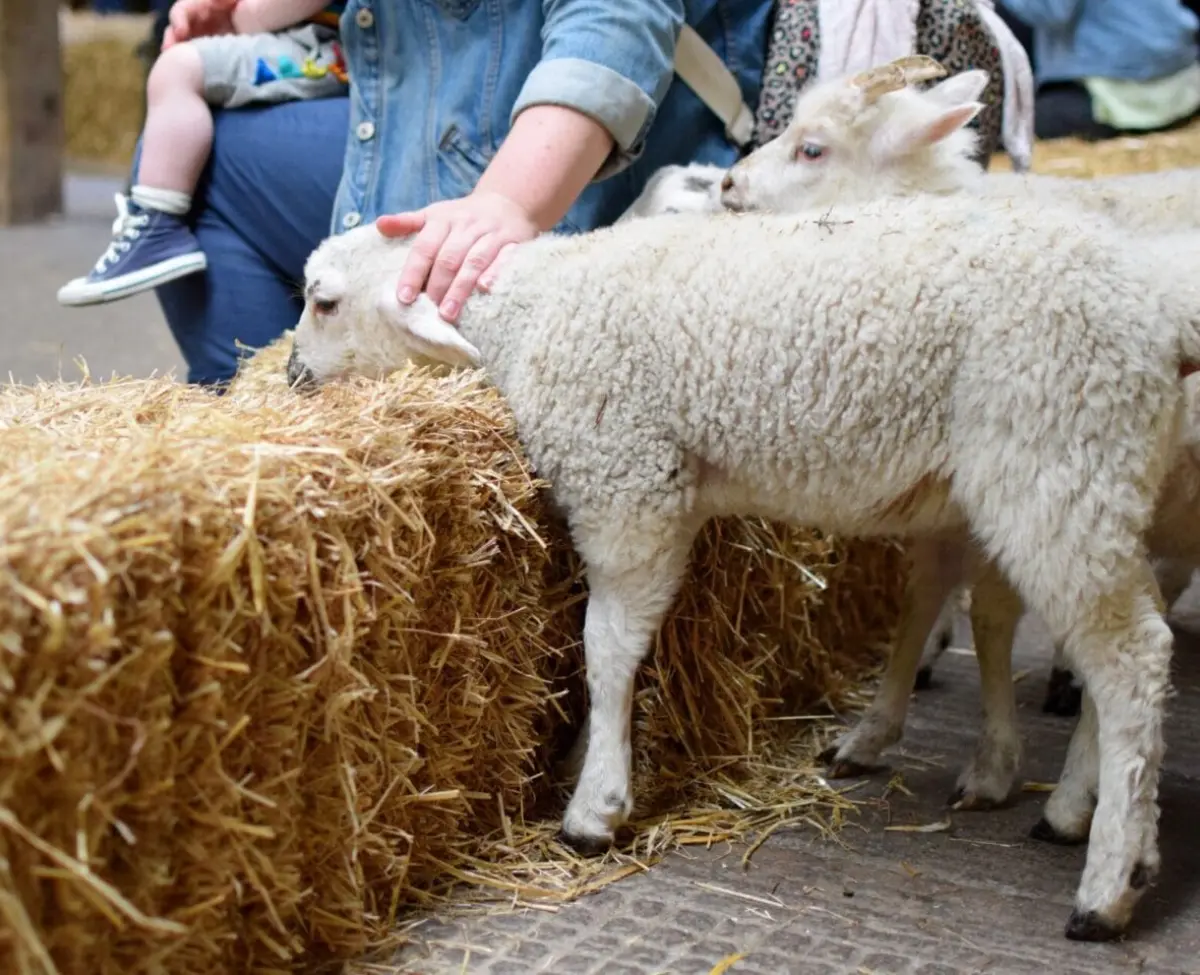
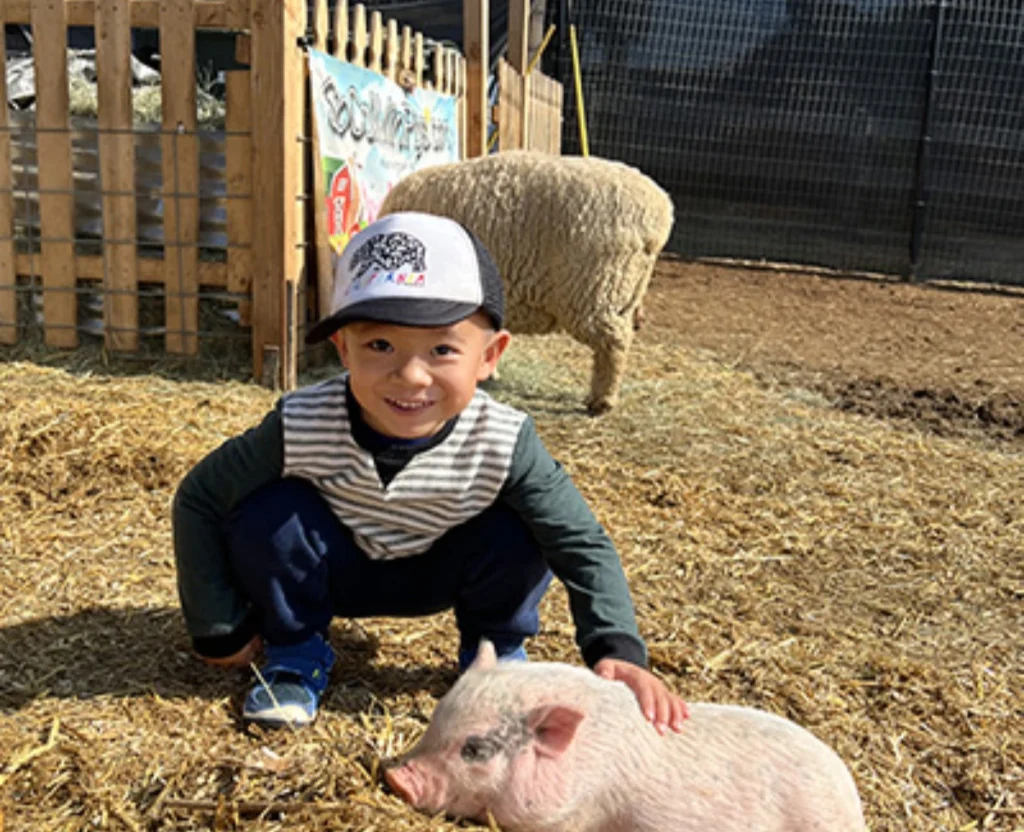
Children’s farms are designed specifically around family visits. They often have accessible animal areas where children can see familiar farm animals at close range. You may find goats, sheep, rabbits, guinea pigs, pigs, chickens, ducks, and ponies, depending on the attraction. These farms can be particularly suitable for toddlers and preschool children because the experience is generally more focused and manageable than a very large attraction.
Farm Parks
A farm park usually offers much more than animal viewing. Alongside farm animals, you may find:
- Adventure playgrounds
- Indoor play
- Tractor rides
- Animal feeding
- Farm trails
- Cafés
- Picnic areas
- Seasonal attractions
Farm parks can be a good choice for families with children of different ages because there are usually several activities to choose from.
Working Farms With Visitor Experiences
Some working farms welcome visitors at specific times or provide organised tours and educational experiences. These can offer a more authentic insight into farming, livestock and rural life. However, a working farm isn’t automatically a visitor attraction. Public access, activities and facilities vary, so it’s important to choose a farm that specifically welcomes visitors.
Petting Farms
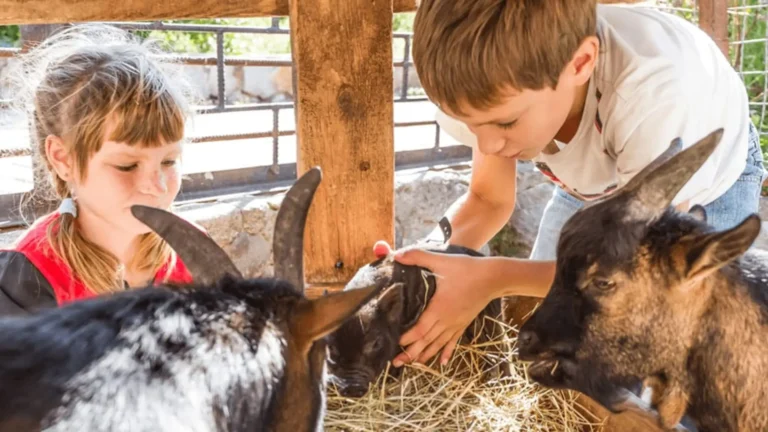
Petting farms concentrate more heavily on close encounters with domestic animals. They can be particularly appealing if your children want to see or feed goats, lambs, rabbits and other smaller animals.
Pick, Your, Own Farms
Some farms combine visitor experiences with pick, your, own activities. Depending on the season, you may be able to pick strawberries, raspberries, apples, pumpkins, or other crops. These pick-your-own farm experiences are highly seasonal, so availability changes throughout the year.
Best Farm Visits Near Me for Kids
For families, the best farm isn’t necessarily the one with the largest number of animals. Consider your children’s ages and how much walking they can comfortably manage.
Farm Visits for Toddlers
Toddlers often enjoy simple experiences such as watching goats, feeding selected animals, and exploring small play areas. Useful facilities include:
- Baby,changing
- Accessible toilets
- Seating
- Pushchair-friendly paths
- Indoor areas
- Small animal enclosures
- Café facilities
A smaller children’s farm can sometimes be a better choice than a huge attraction if you only want a relaxed morning or afternoon.
Farm Visits for Preschool Children
Preschool children may enjoy a wider variety of activities. Look for farms offering animal encounters alongside playgrounds, tractor rides, farm trails and seasonal experiences. Having several activities available can make the visit more engaging and reduce the chance of children becoming bored after seeing the animals.
Farm Visits for Older Children
Older children may prefer a farm park that offers more physical activities. Adventure playgrounds, climbing areas, longer trails, tractor rides, and educational demonstrations can all add variety. If children are interested in farming itself, look for attractions that explain how livestock are cared for and how crops are produced.
What Animals Can You See During a Farm Visit?
The animals farms have many animals available depend on the farm, but common species include:
Goats and Kids
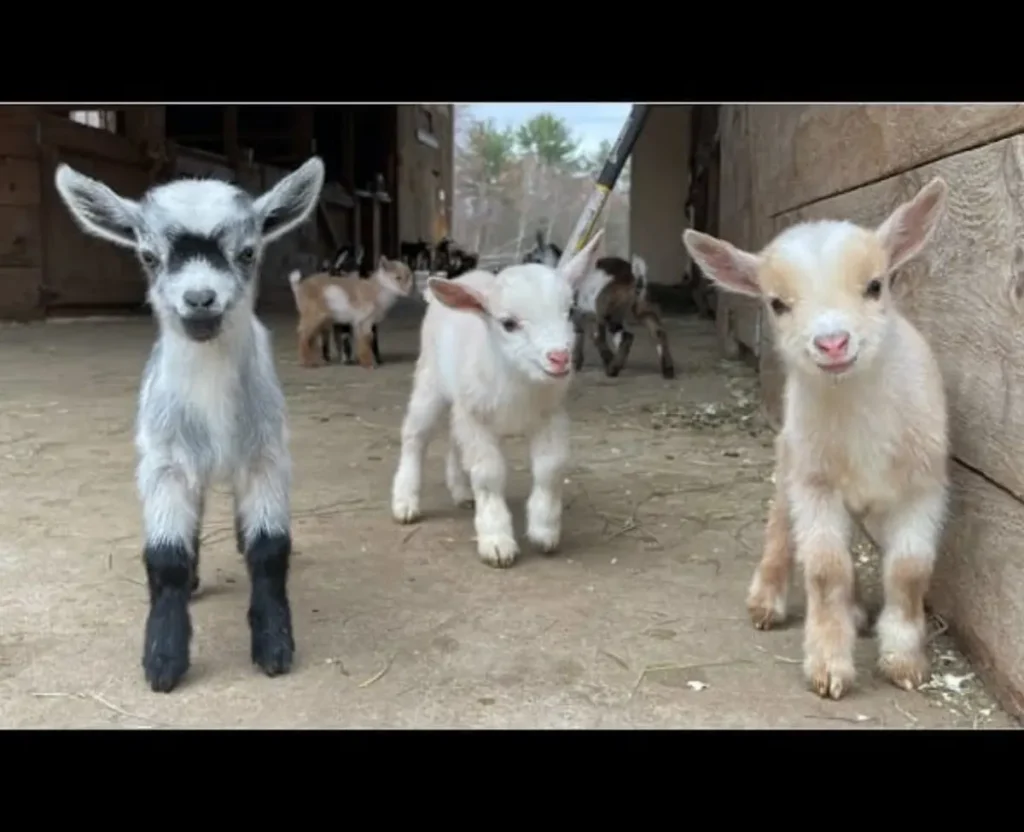
Goats are particularly popular at children’s farms because some attractions allow supervised feeding or interaction. Young goats, known as kids, can be a seasonal highlight.
Sheep and Lambs
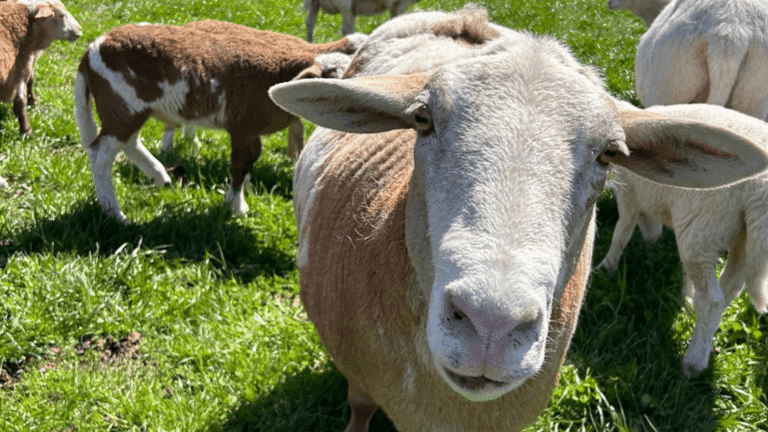
Sheep are common across British farms, and spring can be an especially interesting time to see lambs. Some visitor attractions organise lambing experiences, although these are seasonal and not available everywhere.
Cows and Calves
Cattle are an important part of farming, although visitors generally view them from designated areas rather than freely interacting with them. Calves can be particularly interesting for children when a farm has young stock.
Pigs and Piglets
Pigs can be found at many family farms and farm parks. Some attractions have viewing areas where children can safely watch pigs and piglets without entering their enclosures.
Rabbits and Guinea Pigs
Smaller animals are often included in children’s farm areas. Rabbits and guinea pigs can be particularly suitable for younger children because they are easier to observe at close range.
Chickens, Ducks and Geese
Farm visits can also introduce children to poultry. Seeing chickens, ducks and geese can help children understand that farms aren’t only about larger livestock.
Ponies and Horses
Some larger farms keep ponies and horses. Certain attractions may offer pony rides or related activities, subject to their own age and height requirements.
Alpacas and Llamas
Alpacas and llamas are increasingly popular at countryside attractions. They aren’t found on every farm, but some visitor farms offer feeding, viewing or specialist experiences involving them.
Popular Activities on Farm Visits
A farm visit can be much more varied than simply walking around animal enclosures.
Animal Feeding
Feeding animals is one of the most popular activities for children. Where feeding is permitted, farms generally provide suitable food or explain what visitors can give the animals. Never feed livestock personal snacks unless the attraction specifically says that it is allowed.
Animal Talks
Animal talks can add an educational element to a visit. Children may learn about animal diets, behaviour, farming routines and how farmers care for livestock.
Tractor Rides
Tractor and trailer rides are common at larger farm parks. They can provide a fun way to explore the attraction and are particularly useful when the site covers a large area.
Farm Trails
Farm trails combine walking with animal viewing and outdoor exploration. Some include activity stations, nature areas, or information about farming and wildlife.
Play Areas
Many family farms have outdoor playgrounds, while larger attractions may also have indoor play areas. This can be particularly useful for families visiting children who enjoy play just as much as animal encounters.
Seasonal Farm Visits
One of the biggest advantages of visiting farms is that the experience can change throughout the year. Seasonal farms are:
Spring Farm Visits
Spring is often associated with young farm animals. Depending on the attraction, visitors may see:
- Lambs
- Kids
- Calves
- Piglets
- Chicks
Some farms also offer seasonal lambing experiences.
Summer Farm Visits
Summer is ideal for outdoor activities, particularly when farms have large play areas, picnic spaces and walking trails. Some farms also offer fruit-picking experiences during the warmer months.
Autumn Farm Visits
Autumn can bring harvest-themed activities, apple picking and pumpkin events at participating farms. Pumpkin patches are particularly popular with families around October.
Christmas Farm Visits
Some farms offer Christmas experiences, which may include festive decorations, seasonal activities and special family events. The exact programme varies between attractions.
Farm Visits Near Me for a Rainy Day
British weather can be unpredictable, so indoor facilities can make a big difference. If rain is forecast, look for farms with:
- Indoor play areas
- Covered animal barns
- Indoor cafés
- Covered activity spaces
- Indoor seating
A farm that relies almost entirely on outdoor activities may be less enjoyable during prolonged rain. Even on a wet day, suitable clothing and footwear can make a farm visit possible. Wellies and waterproof jackets are often worth taking.
What to Wear for a Farm Visit
Farm visits are generally casual, outdoor experiences, so practical clothing is the best choice. Consider taking:
- Wellies or waterproof footwear
- Comfortable trousers
- Waterproof jacket
- Warm layers
- Spare clothes for children
- Sun hat
- Sun cream
Farm paths can become muddy after rain, while sunny days can make open areas surprisingly warm. If you’re visiting with young children, spare clothing is particularly useful.
What to Take With You
A family farm day bag might include:
- Water bottles
- Snacks
- Packed lunch
- Waterproof clothing
- Spare clothes
- Sun cream
- Sun hats
- Baby changing supplies
- Hand sanitiser
- Reusable bags
If the attraction has a café or shop, you may not need to bring a full picnic, but having water and snacks available can still be useful with younger children.
Choosing the Best Farm Visit Near Me
The nearest farm isn’t always the best one for your family. Before choosing, consider the following.
Check the Main Attraction
Decide what you actually want from the day. If animals are the priority, choose a farm with plenty of animal experiences. If you want to keep children entertained for several hours, a farm park with play areas and additional activities may be better.
Consider Your Children’s Ages
A farm designed for toddlers may not have enough activities for older children. Likewise, a large adventure farm may be unnecessary if you’re planning a short visit with a very young child.
Check the Facilities
For a family visit, useful facilities include:
- Toilets
- Baby,changing
- Café
- Picnic areas
- Parking
- Indoor areas
- Seating
- Accessible facilities
Check Accessibility
Farm attractions can have uneven or muddy paths, particularly in countryside settings. If wheelchair or pushchair access is important, check the attraction’s route information and accessibility facilities before travelling.
Consider the Weather
Outdoor farm visits are strongly influenced by weather. Check whether the attraction has enough indoor or covered activities if rain is expected.
Look at the Total Cost
Admission isn’t always the only expense. You may also need to budget for:
- Animal feed
- Tractor rides
- Special experiences
- Parking
- Food
- Seasonal activities
Consider the complete cost of the day when comparing attractions.
Farm Visits Near Cotswold Wildlife Park and Me
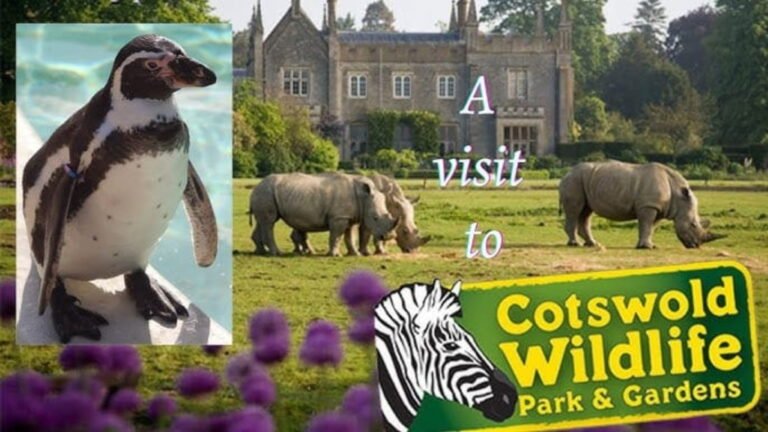
If you’re looking for an animal-focused day out in the Cotswolds, Cotswold Wildlife Park & Gardens near Burford offers a different experience from a traditional working farm or children’s farm. The park includes a Children’s Farmyard with a goat petting area, giving younger visitors an opportunity for a hands-on animal experience. The wider attraction focuses on a much broader collection of wildlife alongside landscaped gardens and family-friendly areas.
This makes it worth considering if your plans involve both animal encounters and a wider wildlife day out. For families specifically looking for traditional farm activities such as lambing, crop picking or a dedicated farm park, a specialist farm attraction may be a better match.
Farm Visits vs Wildlife Parks
Farm visits and wildlife parks can both provide excellent family days out, but the experiences are different.
| Farm visit | Wildlife park |
| Focuses mainly on farm animals | Focuses on a wider range of wildlife |
| Often includes animal feeding | Usually focuses on viewing animals |
| May offer tractor rides | May offer keeper talks and wildlife experiences |
| Often has children’s play areas | May have playgrounds and family facilities |
| Can include farming education | Often focuses on conservation and wildlife |
Your choice depends on whether your children are more interested in farm life and domestic animals or discovering a wider variety of wildlife.
Farm Visit Etiquette and Animal Welfare
A farm visit is also an opportunity to teach children how to behave around animals. Encourage children to:
- Follow staff instructions
- Feed animals only with approved food
- Avoid chasing animals
- Handle small animals gently
- Keep out of restricted areas
- Give animals space
- Wash their hands after animal contact
An animal may not always want to interact with visitors. If it moves away, children should learn to respect that behaviour. Handwashing is particularly important after touching animals and before eating.
Best Farm Visits Near Me: Quick Guide
| If you’re looking for… | Consider… |
| A short visit with toddlers | Children’s farm |
| Animal feeding | Petting farm |
| Animals plus play | Farm park |
| A full family day | Large farm park |
| Young farm animals | Spring farm visit |
| Fruit picking | Pick, your, own farm |
| Pumpkin activities | Seasonal farm |
| Indoor activities | Farm with indoor facilities |
| Farming education | Farm with talks or demonstrations |
| Wildlife as well as animals | Wildlife park |
What to Check Before Your Farm Visit
Before setting off, check the attraction’s latest visitor information for:
- Opening hours
- Admission arrangements
- Parking
- Animal feeding times
- Seasonal activities
- Indoor facilities
- Café opening times
- Accessibility
- Picnic rules
- Dog policy
- Age restrictions
- Last admission
If a particular activity is the main reason for your visit, make sure it is running on the day you plan to go.
FAQs
What is the best type of farm visit for children?
Children’s farms and farm parks are usually the most suitable because they are designed around family visitors and often combine animals with play areas and other activities.
What animals can you see on a farm visit?
Depending on the farm, you may see goats, sheep, lambs, cows, calves, pigs, rabbits, guinea pigs, chickens, ducks, ponies, donkeys, alpacas and llamas.
Can children feed animals on a farm visit?
Some farms provide supervised animal feeding experiences. Only use food supplied or approved by the attraction.
Are farm visits suitable for toddlers?
Many children’s farms and smaller farm parks are particularly suitable for toddlers. Look for manageable walking routes, small animal areas, play facilities and family-friendly toilets.
What should I wear for a farm visit?
Wear practical outdoor clothing and footwear. Wellies, waterproof jackets and comfortable layers are useful, particularly after wet weather.
Are farm visits educational?
Yes. Children can learn about livestock, animal behaviour, farming, food production and seasonal changes. Talks and demonstrations can provide additional educational value.
What is the difference between a farm and a farm park?
A farm may simply be a working agricultural business or a smaller visitor attraction. A farm park is generally designed specifically for visitors and combines farm animals with activities such as play areas, rides and educational experiences.
Can you visit farms throughout the year?
Many visitor farms operate across much of the year, but their activities and opening arrangements can change seasonally. Young animals, fruit picking, pumpkin patches and Christmas events are examples of experiences that may only be available at certain times.
Conclusion
Finding the right farm visits near me starts with deciding what you want from the day. A small children’s farm can be ideal for toddlers who want to meet goats, rabbits and other familiar animals, while a larger farm park can provide enough activities for an entire family day out.
Seasonal visits can offer something different throughout the year, from lambs and young animals in spring to fruit picking in summer, pumpkins in autumn and festive experiences around Christmas.
Before travelling, consider the children’s ages, the animals they want to see, the available activities, indoor facilities, accessibility and overall cost. Practical clothing is also important, particularly when visiting countryside attractions in unpredictable UK weather. For families exploring the Cotswolds, Cotswold Wildlife Park & Gardens provides another option if you’d like to combine a hands-on goat experience with a wider wildlife and gardens attraction. Ultimately, the best farms to visit near me are those that match your family’s interests and provide a comfortable, enjoyable, and respectful way to experience animals and the countryside.