Family Farms Near Me: Find the Best Farms, Petting Farms & Farm Parks
Looking for family farms near me is a simple way to find an enjoyable day out where children can meet animals, explore the countryside and spend time away from screens. Across the UK, family-friendly farms range from small children’s farms and petting farms to large farm parks with playgrounds, tractor rides, cafés and seasonal activities.
The best option depends on the age of your children and what you want to do. A toddler may be happiest with goats, rabbits and a small play area, while older children may prefer a farm park with adventure play, animal feeding and plenty of outdoor activities. This guide explains the different types of family farms, what children can do, which facilities to look for and how to choose an attraction that suits your family.
Table of Contents
What Makes a Good Family Farm?
A good family farm should offer more than simply a collection of animals. The most enjoyable attractions combine animal experiences with activities and facilities that make it easy to spend a few hours or even a full day there. Look for a combination of:
- Farm animals children can see up close
- Supervised animal feeding
- Play areas
- Indoor activities
- Outdoor space
- Toilets and baby changing
- Café or picnic facilities
- Parking
- Accessible areas
- Seasonal activities
Not every farm will have all of these features. Smaller children’s farms may focus mainly on animals, while larger farm parks usually provide a much wider range of activities.
Family Farms Near Me for Kids
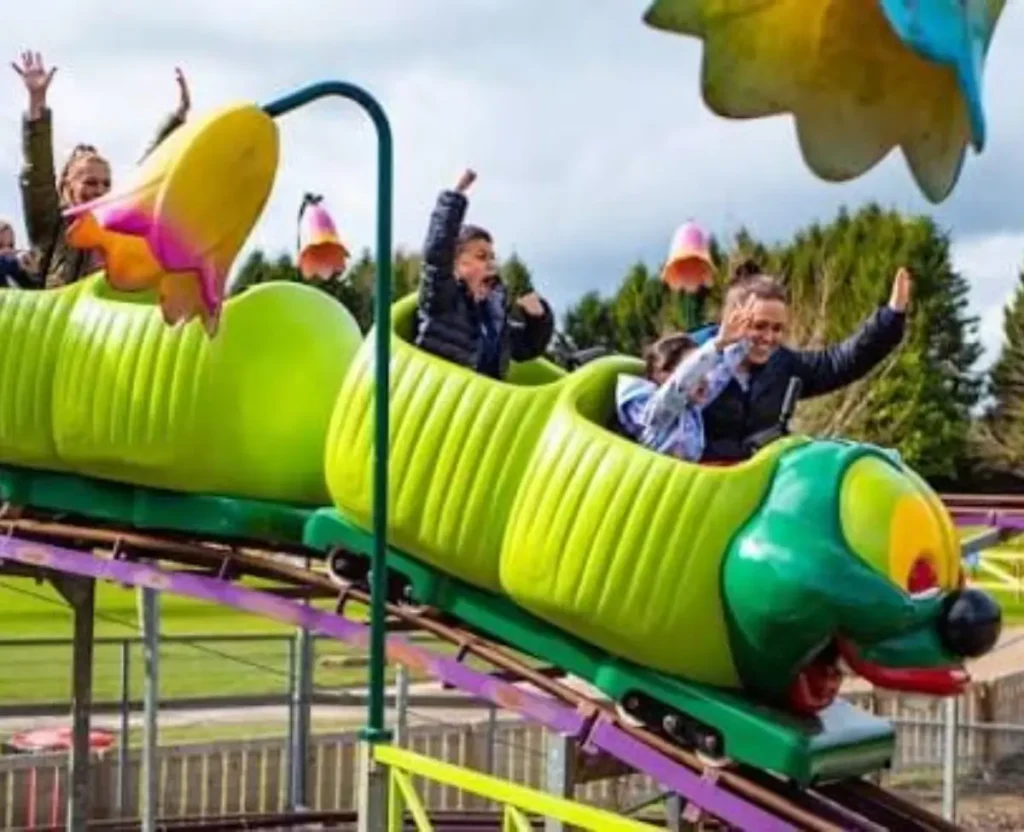
Family farms for kids can be particularly good because they offer a mixture of learning, outdoor play, and hands-on experiences.
Farms for Toddlers
For toddlers, you don’t necessarily need the biggest farm attraction. A smaller farm with goats, sheep, rabbits, guinea pigs, chickens and ducks can provide plenty to see. Short walking routes, seating and easy access to toilets can also make the day much more manageable for parents. Useful facilities include:
- Small animal areas
- Safe animal viewing spaces
- Simple playgrounds
- Baby changing facilities
- Accessible toilets
- Café or refreshments
- Indoor areas for poor weather
Farms for Preschool Children
Preschool children are often ready for a wider range of activities. A suitable farm might offer animal feeding alongside playgrounds, tractor rides, farm trails and seasonal activities. At this age, the ability to move between different activities can make a significant difference to how long children remain interested.
Farms for Older Children
Older children may want more than traditional animal encounters. Farm parks with adventure playgrounds, climbing areas, trails, tractor rides and seasonal events can be a better option for primary school children. If your children have different interests, choosing a larger attraction can also make the day easier because everyone has more activities to choose from.
Petting Farms Near Me
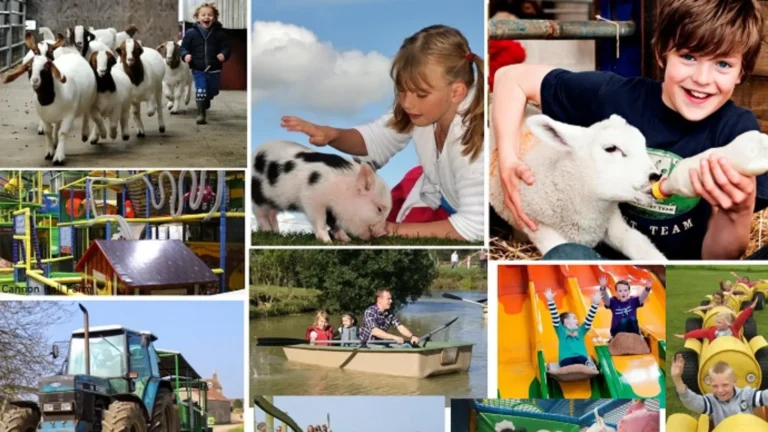
Petting farms are designed around close encounters with familiar farm animals. Depending on the attraction, children may be able to see, stroke, or feed selected animals under staff supervision. Common animals include:
- Goats
- Sheep
- Lambs
- Rabbits
- Guinea pigs
- Pigs
- Chickens
- Ducks
- Ponies
- Donkeys
Some petting farms also have alpacas, llamas, calves, or other animals.
Are Petting Farms Good for Young Children?
They can be particularly suitable for toddlers and preschoolers because the animals themselves provide the main attraction. However, check the individual farm’s facilities. A small petting farm may be ideal for a two-hour visit but may not provide enough activities for children who expect a full day out.
Feeding Animals
Animal feeding is often one of the highlights. Where feeding is permitted, farms normally provide approved food. Children should only feed animals according to the attraction’s instructions and should never give livestock their own snacks unless specifically allowed. This is also a good opportunity to teach children that different animals have different dietary needs.
Farm Parks Near Me
A farm park generally offers a broader family experience than a dedicated petting farm. Alongside animals, a farm park may have:
- Adventure playgrounds
- Indoor play
- Tractor rides
- Farm trails
- Animal talks
- Seasonal events
- Picnic areas
- Cafés
- Outdoor play
This makes farm parks particularly useful when you’re looking for a complete family day out rather than a short animal visit.
Farm Park or Petting Farm?
If your main priority is meeting and feeding small farm animals, a petting farm may be enough. If you want animals combined with play areas and other attractions, a farm park is usually the better choice.
What Animals Can You See at Family Farms?
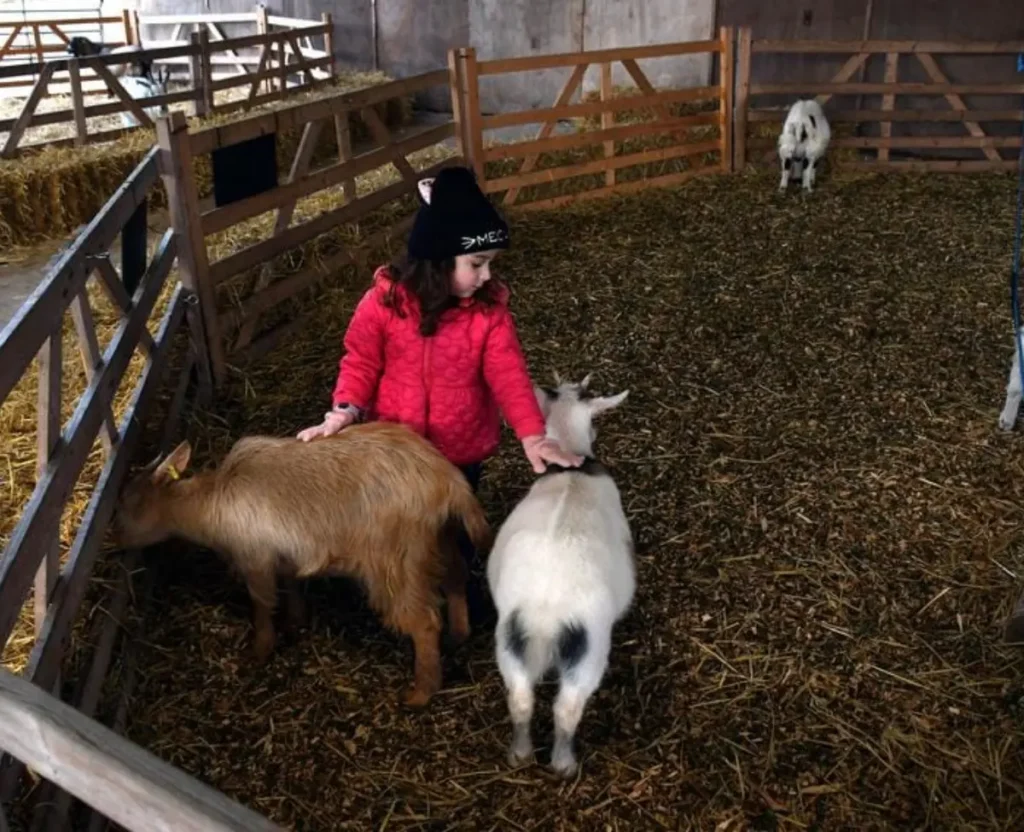
At exact animal farms, the animals vary from farm to farm, but several species are particularly common.
Goats
Goats are among the most popular animals at children’s farms. Some attractions have dedicated goat areas where visitors can watch or feed them.
Sheep and Lambs
Sheep are a familiar part of farm life, while lambs can be a particular highlight during spring.
Some farms organise seasonal lambing experiences, although these aren’t necessarily available throughout the year.
Rabbits and Guinea Pigs
Small animal areas are particularly appealing to younger children. Rabbits and guinea pigs are usually easier for toddlers to observe at close range than larger livestock.
Pigs and Piglets
Pigs are another common feature at family farms. Piglets can be especially interesting for children when they are present.
Chickens, Ducks and Geese
Farm birds can help children understand where eggs and other familiar foods come from. Some attractions also provide educational information about different types of poultry.
Ponies and Horses
Larger farm parks may have ponies and horses. Some offer pony rides, although these activities may have age, height, or booking requirements.
Cows and Calves
Cows are central to traditional farming, but they aren’t generally animals that children can freely approach. Visitor farms normally provide designated viewing areas or supervised experiences.
Alpacas and Llamas
Alpacas and llamas have become increasingly popular at countryside attractions. Some farms provide feeding or walking experiences, while others simply allow visitors to view them.
Things to Do at Family Farms
A farm visit can involve much more than looking at animals.
Feed Farm Animals
Feeding selected animals can give children a hands-on experience while helping them learn about animal diets and behaviour. Always use food supplied or approved by the farm.
Watch Animal Talks
Animal talks and demonstrations can add an educational element to a family day out. Children may learn about:
- Animal behaviour
- Feeding
- Farming
- Animal care
- Seasonal changes
- How farms operate
Take a Tractor Ride
Tractor and trailer rides are common at larger farm parks. They can be especially useful when the attraction covers a large area, and children want a break from walking.
Play on Outdoor Playgrounds
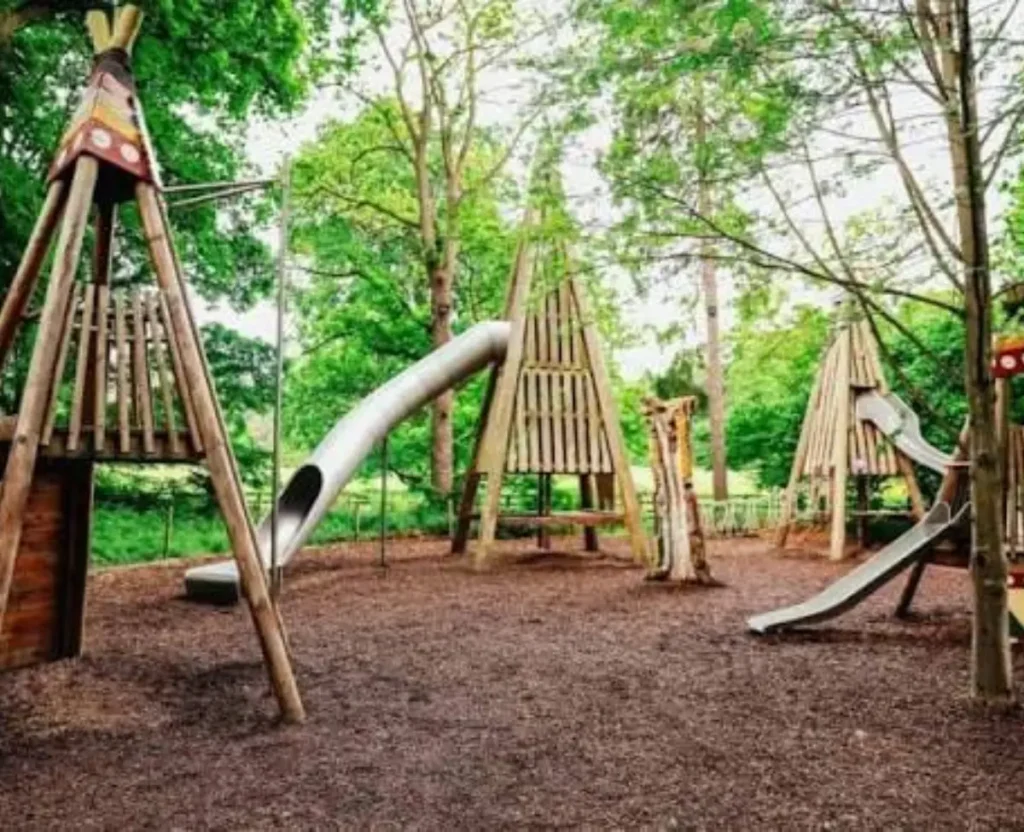
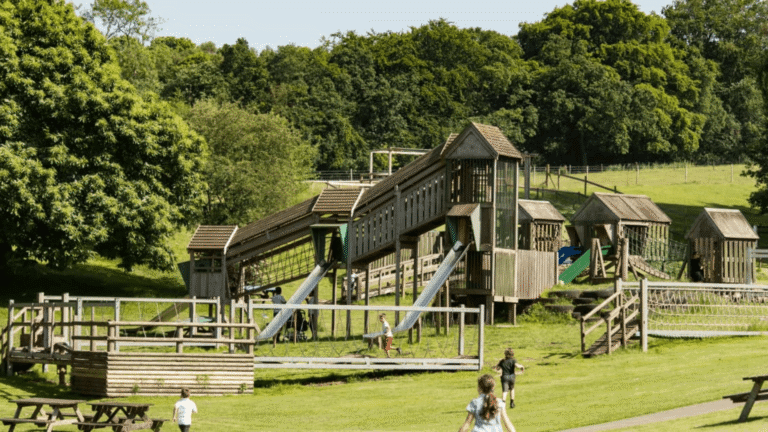
Many family farms combine animal areas with traditional playground equipment. Depending on the attraction, you may find climbing frames, slides, swings, sand areas and larger adventure structures.
Try Indoor Play
Indoor play areas are particularly valuable in the UK, where rain can quickly change outdoor plans. If you’re visiting during a wetter period, choosing a farm with substantial indoor facilities can make the experience much easier.
Enjoy Seasonal Activities
Some farms change their activities throughout the year. You may find:
- Lambing experiences in spring
- Fruit picking in summer
- Sunflower fields
- Pumpkin picking in autumn
- Christmas activities in winter
Seasonal attractions can give families another reason to return to the same farm at different times of the year.
Best Family Farms for Different Ages
The ideal attraction changes as children get older.
| Age/group | What to look for |
| Toddlers | Small animals, short walks, simple play |
| Preschoolers | Feeding, animals, playgrounds, indoor play |
| Primary school children | Adventure play, trails, rides and activities |
| Mixed-age families | Large farm parks with varied attractions |
For younger children, the quality of the animal experience and basic facilities may matter more than the number of attractions. For older children, having several activities available can make a longer visit more worthwhile.
Family Farms Near Me for a Full Day Out
If you’re planning to spend most of the day at a farm, look beyond the animal areas. A good full-day family attraction may offer:
- Animal encounters
- Feeding activities
- Outdoor play
- Indoor play
- Tractor rides
- Walking trails
- Seasonal activities
- Café or restaurant
- Picnic areas
- Toilets and family facilities
The combination of activities is often more important than the number of animal species. A farm with a manageable collection of animals and plenty of things for children to do can be more enjoyable than a much larger attraction where animal viewing is the only activity.
Family Farms for Rainy Days
British weather is one of the biggest considerations when planning an outdoor family day. If rain is forecast, look for a farm with:
Indoor Animal Areas
Covered barns can allow children to continue seeing animals without spending the entire day outside.
Indoor Play Areas
Indoor play gives children somewhere to burn off energy when outdoor playgrounds are too wet.
Covered Seating
Covered areas can make it easier to stop for snacks or take a break during showers.
Café Facilities
A farm café provides somewhere warm to eat and take a break. If most of the attraction is outdoors, check its wet-weather arrangements before travelling.
Family Farms With Cafés and Picnic Areas
Food facilities become particularly important when you’re planning a longer visit. Some cafe farms have cafés serving hot drinks, meals, snacks and children’s food. Others provide picnic areas where visitors can bring their own lunch. Before visiting, check whether:
- Packed lunches are permitted
- Picnic tables are available
- Indoor seating is provided
- The café is open during your visit
- Children’s meals are available
Taking water and snacks can still be useful, particularly with younger children.
How to Choose the Best Family Farm Near You
The closest farm isn’t always the best match.
Consider Your Children’s Ages
A farm designed primarily for toddlers may not provide enough entertainment for older children.
Likewise, a huge farm park can be unnecessary if you’re looking for a short morning activity with a toddler.
Decide What You Want to See
If your child particularly wants to meet goats, lambs, rabbits or alpacas, check that the attraction actually has those animals.
Think About the Length of Your Visit
For a short visit, a small children’s farm can work well. For a full day, look for a larger farm park with multiple activities.
Check Indoor Facilities
Indoor play, covered animal areas and cafés can make a major difference if the weather changes.
Consider Accessibility
Farm attractions can have uneven paths, grass areas and muddy surfaces. If you’re visiting with a wheelchair or pushchair, look for information about:
- Step-free access
- Accessible parking
- Accessible toilets
- Path surfaces
- Seating
- Pushchair access
Look at the Total Cost
Admission isn’t always the only expense. Your day may also include:
- Animal feed
- Rides
- Special activities
- Food
- Parking
- Seasonal experiences
Consider the overall cost when comparing attractions.
What to Wear to a Family Farm
Farm visits are usually more enjoyable when everyone is dressed for the conditions.
Useful clothing includes:
- Comfortable footwear
- Wellies or waterproof shoes
- Waterproof jacket
- Warm layers
- Spare children’s clothes
- Sun hat
- Sun cream
After rain, farm paths can become muddy, so practical footwear is particularly important.
What to Take With You
A useful family farm bag might contain:
- Water bottles
- Snacks
- Packed lunch
- Waterproof clothing
- Spare clothes
- Sun cream
- Sun hats
- Baby changing supplies
- Hand sanitiser
- Reusable bags
If you’re visiting a farm that offers fruit or flower picking, check whether containers are supplied.
Farm Visits and Animal Welfare
A family farm visit can be an excellent opportunity to teach children how to respect animals.
Children should learn to:
- Follow staff instructions
- Feed animals only approved food
- Avoid chasing animals
- Touch animals gently
- Give animals space
- Avoid disturbing sleeping animals
- Stay within designated visitor areas
- Wash their hands after animal contact
An animal moving away should be treated as a sign that it wants space.
This helps children understand that farm animals aren’t simply there for entertainment and that their welfare comes first.
Family Farms Near the Cotswolds
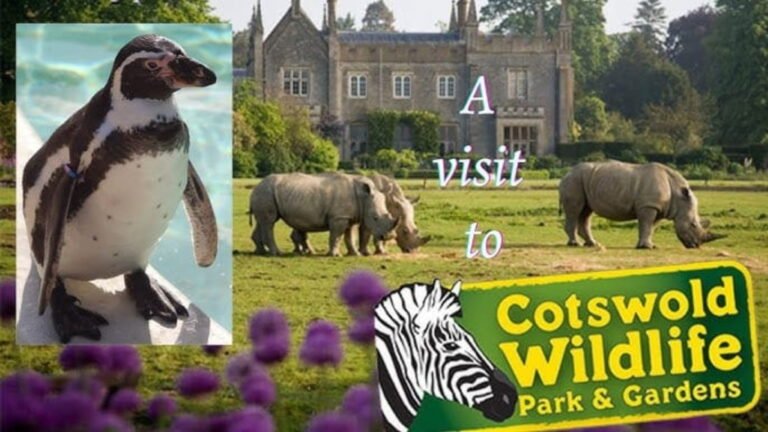
If you’re searching for family-friendly animal attractions in the Cotswolds, Cotswold Wildlife Park & Gardens near Burford is another option to consider. It isn’t a traditional children’s farm or dedicated petting farm. Instead, it is a wildlife park with a broad collection of animals, landscaped gardens and family attractions. However, its Children’s Farmyard includes a goat petting area next to the Adventure Playground, giving younger visitors an opportunity for hands-on animal interaction alongside a much wider wildlife experience.
This makes it a different option from a dedicated family farm: choose a petting farm when close interaction with traditional farm animals is your main priority, or consider Cotswold Wildlife Park when you want that type of experience combined with wildlife, gardens and other attractions.
Family Farm vs Petting Farm vs Farm Park
| Type | Best suited to | Typical experience |
| Family farm | Families wanting a general farm day | Animals and family activities |
| Petting farm | Younger children | Close animal interaction |
| Farm park | Full-day family visits | Animals, play and attractions |
| Working farm | Learning about agriculture | Farming and livestock |
The boundaries can overlap, so always look at what the individual attraction actually provides rather than relying only on its name.
What to Check Before Visiting
Before setting off, check the attraction’s current visitor information for:
- Opening times
- Admission arrangements
- Booking requirements
- Animal feeding times
- Seasonal activities
- Parking
- Indoor facilities
- Accessibility
- Café opening times
- Picnic arrangements
- Dog policy
- Age or height restrictions
- Weather arrangements
If your child is visiting specifically to see a particular animal or take part in a certain activity, make sure it is available during your planned visit.
FAQs
What are the best farms near me for kids?
The best farm depends on your children’s ages and interests. Toddlers often enjoy smaller farms with goats, rabbits, and other small animals, while older children may prefer larger farm parks with adventure play, rides, and trails.
What is the difference between a family farm and a petting farm?
A petting farm mainly focuses on close encounters with farm animals. A family farm can offer a broader experience, while a farm park usually combines animals with play areas and other attractions.
What animals can children see at family farms?
Common animals include goats, sheep, lambs, rabbits, guinea pigs, pigs, chickens, ducks, ponies and donkeys. Some attractions also have cows, calves, alpacas and llamas.
Are family farms suitable for toddlers?
Many are. Look for attractions with smaller animals, short walking routes, safe interaction areas, toilets, baby changing facilities and suitable play areas.
Do family farms allow children to feed animals?
Many do, although the rules vary. Farms generally provide or approve the food that visitors can use, and children should follow staff instructions.
Are farm parks good for a full day out?
Yes. Larger farm parks often combine animals with playgrounds, indoor play, tractor rides, trails, cafés and seasonal activities, making them suitable for longer visits.
What should children wear to a farm?
Comfortable outdoor clothing and practical footwear are best. Wellies, waterproof jackets and spare clothes are particularly useful after wet weather.
Are dogs allowed at family farms?
Dog policies vary. Some attractions restrict dogs because of livestock, hygiene, or animal welfare considerations, while others may permit them in specific areas.
Conclusion
Finding the right family farms near me starts with understanding what your family actually wants from the day. For toddlers and preschool children, a smaller children’s farm or petting farm can provide an enjoyable introduction to goats, sheep, rabbits, guinea pigs and other familiar animals. For families wanting more variety, a farm park can combine animal encounters with playgrounds, tractor rides, indoor activities and seasonal attractions. Weather, facilities and accessibility are also worth considering, particularly in the UK.
A farm with indoor play and covered areas can be a much better choice on a rainy day, while outdoor-focused attractions can be ideal when the weather is dry. For families visiting the Cotswolds, Cotswold Wildlife Park & Gardens near Burford provides another type of animal-focused day out, with its Children’s Farmyard and goat petting area alongside a much wider collection of wildlife and gardens. Ultimately, the best family farm is the one that matches your children’s ages, interests and energy levels while providing a safe and enjoyable environment to experience animals and the countryside.