
Best Things to Do in the Cotswolds: Places to Visit & Experiences
The best things to do in the Cotswolds go well beyond visiting pretty villages. You can explore historic market towns, walk through rolling countryside, visit gardens and country estates, spend a family day at a wildlife park, discover independent cafés, and enjoy some of England’s most recognisable rural scenery.
The Cotswolds cover a large area across several counties, so it helps to plan your trip around a few areas rather than trying to see everything in one day. The official Cotswolds tourism guide highlights the region’s mix of honey-coloured villages, market towns, countryside, historic attractions, gardens, food and outdoor activities.
Whether you are planning a weekend break, a family day out, or your first visit to the Cotswolds, here are some places and experiences worth adding to your itinerary.
Table of Contents
What Are the Best Things to Do in the Cotswolds?
If you have limited time, prioritise a mix of villages, countryside, and one or two major attractions rather than trying to visit every famous location. Some of the best things to do in the Cotswolds include:
- Explore Bourton-on-the-Water and its riverside setting
- Wander through Burford’s historic High Street
- Visit Stow-on-the-Wold and its market square
- Explore Broadway and walk towards Broadway Tower
- Visit Chipping Campden and its historic streets
- See Bibury and Arlington Row
- Spend a day at Cotswold Wildlife Park & Gardens
- Walk a section of the Cotswold Way
- Visit gardens such as Hidcote or other Cotswold gardens and arboreta
- Explore historic houses, castles and country estates
- Enjoy local cafés, tearooms, pubs and restaurants
- Visit the Cotswold Water Park for outdoor activities
- Plan a family-friendly day around attractions and open spaces
- Explore quieter villages away from the busiest tourist stops
The best choice depends on what sort of trip you want. Families may prefer wildlife parks and gardens, while walkers can build their visit around countryside routes. First-time visitors often combine two or three well-known villages with a larger attraction.
Visit the Prettiest Cotswold Towns and Villages

One of the main reasons people visit the Cotswolds is to see its historic towns and villages. Many are characterised by local limestone buildings, traditional pubs, independent shops and narrow streets. You do not need to visit every village. Choosing a few that fit your route usually makes for a much more enjoyable trip.
Bourton-on-the-Water
Bourton-on-the-Water is one of the most recognisable places in the Cotswolds. The River Windrush runs through the village, with small bridges crossing the water and buildings lining the banks. It is a good choice for a first-time visitor because you can combine a village walk with cafés, shops and nearby attractions. The village can become busy at peak times, so an early start can make exploring more relaxed.
Burford
Burford is particularly useful if you are exploring the Oxfordshire side of the Cotswolds. Its steep High Street leads down towards the River Windrush and is lined with historic buildings, independent shops, cafés and places to eat. Burford also makes a useful base for exploring nearby attractions. Cotswold Wildlife Park & Gardens is just outside the town, making it easy to combine the two during a day in the area. If you are planning a food-focused visit, you can also explore local cafés and tearooms before or after visiting the surrounding countryside.
Stow-on-the-Wold
Stow-on-the-Wold is a historic market town with a large market square surrounded by traditional buildings, independent shops, galleries, cafés and pubs. It works particularly well as part of a North Cotswolds itinerary because several villages and attractions are within reach. Instead of simply photographing the town, allow some time to explore the surrounding streets and independent businesses.
Broadway
Broadway is another popular Cotswold destination, known for its attractive stone buildings and village centre. One of the area’s major highlights is Broadway Tower, which sits on Broadway Hill and provides wide views across the surrounding countryside. You can combine a visit to Broadway with a countryside walk, making it a better experience than simply stopping for photographs.
Chipping Campden
Chipping Campden is a historic market town with a strong connection to the Cotswolds’ wool trade. Its High Street is lined with distinctive stone buildings, independent businesses and historic architecture. It is also an excellent starting point for exploring the countryside on foot. If you enjoy walking, consider making Chipping Campden part of a longer walking itinerary rather than treating it as a quick sightseeing stop.
Bibury
Bibury is famous for its traditional stone cottages and the well-known Arlington Row. It is one of the villages most commonly associated with the classic Cotswolds image, but its popularity means it can be busy. Visit respectfully, remember that the villages are lived-in communities, and avoid treating residential areas as photo sets.
Visit Cotswold Wildlife Park & Gardens

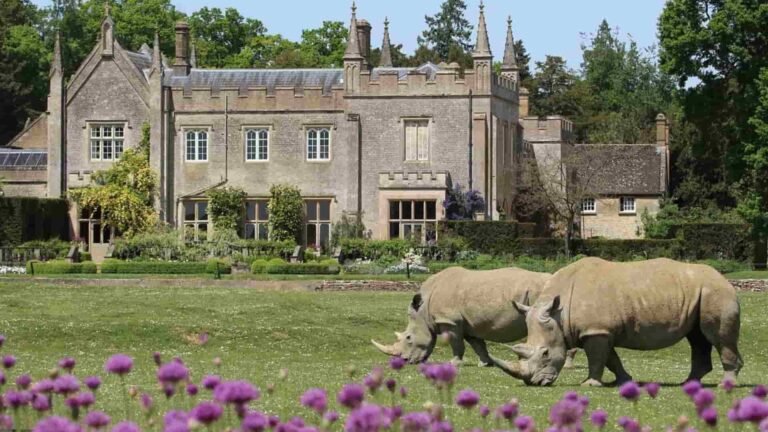
For families and wildlife lovers, Cotswold Wildlife Park & Gardens is one of the most practical attractions to include in a Cotswolds itinerary. The park is set across 160 acres and recommends allowing at least four hours for a visit. Current official opening information also varies between summer and winter, so check the park’s latest information before travelling. There is enough to make the park a substantial part of a day rather than a short stop. A visit can include:
- Wildlife and animal enclosures
- Large landscaped areas and gardens
- Family-friendly activities
- Picnic areas
- Food and refreshments
- Children’s play areas
- Seasonal railway rides
- Opportunities to combine wildlife with a countryside day out
The park is particularly convenient if you are already visiting Burford. Its current visitor information says the narrow-gauge railway operates from April to October, weather permitting, while the park itself is open for most of the year apart from specified seasonal closures.
How long should you spend at Cotswold Wildlife Park?
Allow at least four hours if you want to explore the park properly. The official site specifically recommends at least four hours because of the size of the site and the variety of species and gardens. For families, this can easily become the main activity of the day. You can then visit Burford afterwards for food, coffee or an evening walk.
Explore Cotswold Gardens and Arboreta
The Cotswolds is a strong destination for garden lovers. Depending on the season, you can find formal gardens, woodland collections, landscaped estates and arboreta throughout the region. Hidcote is one of the best-known garden destinations, while Westonbirt Arboretum and Batsford Arboretum offer different ways to experience the landscape. Garden visits are particularly attractive in spring, summer and autumn, although the experience changes considerably throughout the year. Before visiting, check seasonal opening arrangements because some gardens operate different hours or have specific seasonal highlights.
Walk the Cotswold Countryside
You do not have to be an experienced hiker to enjoy walking in the Cotswolds. There are short village walks, countryside loops, riverside routes and longer trails. The official tourism information highlights the extensive network of footpaths and rights of way across the region. For a longer challenge, the Cotswold Way National Trail is a major option. It stretches for around 102 miles through the Cotswold landscape. You do not need to walk the entire route. Pick a manageable section and combine it with a nearby village or attraction.
Good walking ideas for different visitors
For a gentle day:
Choose a short circular route around a village and finish at a café or pub.
For families:
Look for shorter routes with interesting landmarks and avoid choosing a route based solely on distance.
For experienced walkers:
Use a section of the Cotswold Way or another longer-distance route.
For photographers:
Early morning and late afternoon can provide softer light and quieter conditions.
The important thing is to choose a walk that matches your group rather than assuming every Cotswold route is an easy stroll.
Discover Historic Houses, Castles and Attractions
The Cotswolds have plenty to offer if you are interested in history. Major attractions include historic houses, castles, museums, churches and country estates. Blenheim Palace, Sudeley Castle and Berkeley Castle are among the better-known examples highlighted by the official tourism guide. You can also explore historic churches and market towns without necessarily paying for a major attraction.
For a history-focused trip, consider building your itinerary around one large historic attraction and several smaller towns rather than trying to visit multiple estates in one day.
Broadway Tower
Broadway Tower is particularly useful for combining history, scenery and walking. The tower sits high above Broadway and is associated with some of the region’s most recognisable views. A visit works well as part of a countryside day, especially if you want to get outside rather than spending the whole day inside attractions.
Enjoy Cotswold Food, Cafés and Tearooms
A Cotswolds visit is incomplete for many people without stopping for coffee, cake, lunch or a traditional pub meal. The region has a mixture of independent cafés, tearooms, bakeries, pubs and restaurants. Local food and drink are an important part of the visitor experience, with the official tourism guide highlighting everything from local produce and cheeses to pubs, cafés and fine dining. For a relaxed day, build food stops into your route instead of treating them as an afterthought. For example:
- Morning: Visit a village and have coffee.
- Lunch: Eat at a pub, café or restaurant.
- Afternoon: Walk or visit an attraction.
- Late afternoon: Stop for tea and cake before heading back.
Burford is especially useful for this type of itinerary because you can combine town exploration, cafés and nearby attractions.
Best Things to Do in the Cotswolds With Families
The Cotswolds can work extremely well for a family trip, but the best activities are not necessarily the ones that look most impressive in photographs. Families often benefit from combining one main attraction with plenty of open-air time. Good options include:
- Cotswold Wildlife Park & Gardens
- Cotswold Farm Park
- Family-friendly countryside walks
- Gardens and arboreta
- Cotswold Water Park activities
- Village exploring
- Interactive museums and attractions
- Picnic stops
- Seasonal events
Cotswold Wildlife Park is particularly convenient for families because it combines animals, gardens, outdoor space, food facilities and activities in one location. If you are planning a picnic, there are designated picnic shelters and lawn areas within the park, including areas overlooking some of the animal enclosures. Barbecues are not permitted.
Things to Do in the Cotswolds in Bad Weather
Rain does not have to ruin a Cotswolds trip. The key is to avoid building your entire itinerary around outdoor sightseeing. On wet days, consider:
- Historic houses and museums
- Indoor attractions
- Cafés and tearooms
- Independent shops
- Galleries
- Covered sections of larger attractions
- Country-house visits
- Food-focused itineraries
- Short walks followed by indoor activities
You can also combine a short village visit with an indoor attraction rather than spending several hours outside. If the weather forecast is poor, leave your longer countryside walks for another day.
Free and Low-Cost Things to Do in the Cotswolds
You do not need an expensive itinerary to enjoy the Cotswolds. Some of the best experiences involve simply walking, exploring villages and enjoying the landscape. Low-cost ideas include:
Explore a village
Walking through places such as Burford, Stow-on-the-Wold or Chipping Campden does not require an attraction ticket.
Go for a countryside walk
There are thousands of miles of footpaths and rights of way across the region, giving walkers plenty of options.
Pack a picnic
A packed lunch can reduce the cost of a day out, particularly when visiting areas where cafés and restaurants are busy.
Explore local markets
Market towns such as Cirencester, Stroud and Tetbury can add a different side to a Cotswolds trip, particularly if you enjoy local produce and independent businesses.
Visit viewpoints
Some viewpoints and countryside locations can be enjoyed without an attraction admission fee, although parking arrangements and access conditions vary.
Visit the Cotswold Water Park
The Cotswold Water Park offers something different from the traditional village-and-countryside experience. The area contains a large collection of lakes and provides opportunities for outdoor recreation, walking and water-based activities. It can be a good choice if your group wants more active things to do rather than spending the entire trip visiting historic villages. Check individual activity providers before travelling because facilities, opening times and activity availability vary.
Explore Lesser-Known Cotswold Towns and Villages
You do not have to stick to the most famous places. If you want a quieter experience, consider destinations such as Winchcombe, Tetbury, Northleach, Blockley or Charlbury. This Cotswolds tourism guide’s recommendations specifically highlight places including Winchcombe, Charlbury, Woodstock, Tetbury, Northleach and Blockley for visitors looking for character beyond the most heavily visited locations. These places can be particularly rewarding if you have already seen the classic destinations and want to experience a slower side of the region.
How Many Days Do You Need in the Cotswolds?
A weekend is enough to experience some of the highlights, but the Cotswolds is large enough to justify a longer stay.
One day
Choose one area and avoid excessive driving. For example:
- Morning: Burford and coffee
- Late morning to afternoon: Cotswold Wildlife Park
- Late afternoon: Burford or a nearby village
Two days
Two days give you more flexibility. You could spend one day around Burford and the western Oxfordshire Cotswolds, then use the second day for villages such as Bourton-on-the-Water, Stow-on-the-Wold or Broadway.
Three to four days
This is a better option if you want to combine villages, walking, gardens and major attractions without rushing. You can also explore both northern and southern parts of the region.
Longer stays
A week allows you to slow down and include less-visited towns, longer walks, gardens, food experiences and nearby attractions. The official tourism organisation also encourages visitors to stay longer because the Cotswolds cover a substantial area and different parts of the region offer different experiences.
Tips for Planning a Cotswolds Visit
Choose an area rather than the whole Cotswolds
The biggest mistake is trying to cover too much in one day. Pick a cluster of nearby places and explore them properly.
Check attraction opening times
Opening dates and hours can change seasonally. This is particularly important for gardens, historic houses and smaller attractions.
Start early at popular villages
Popular destinations can become considerably busier later in the day.
Allow time for parking
Some villages have limited parking, particularly during busy periods.
Do not rely entirely on photographs
A village that looks beautiful online may not be the best destination for your particular group. Think about what you actually enjoy: walking, history, food, wildlife, gardens, shopping or photography.
Plan for changing weather
Bring suitable footwear and layers if you are planning countryside walks.
Combine attractions intelligently
A wildlife park, garden or historic house can become the main focus of a day, with a nearby village added before or afterwards.
Consider public transport where practical
The Cotswolds can be explored by train, bus, bicycle, foot and car, but transport options vary considerably between locations. Check your route before travelling rather than assuming that every village has frequent public transport.
FAQs
What is the number one thing to do in the Cotswolds?
There is no single best activity for everyone. First-time visitors often prioritise the famous villages, while families may prefer attractions such as Cotswold Wildlife Park. Walkers may get more from the countryside and the Cotswold Way.
What are the best places to visit in the Cotswolds?
Popular choices include Bourton-on-the-Water, Burford, Stow-on-the-Wold, Broadway, Chipping Campden and Bibury. Quieter alternatives include Winchcombe, Tetbury, Northleach and Blockley.
Is Cotswold Wildlife Park worth visiting?
For families and wildlife lovers, it can be an excellent addition to a Cotswolds itinerary. The park covers 160 acres and recommends allowing at least four hours, so it is best treated as a substantial day-out attraction rather than a quick stop.
How many days should you spend in the Cotswolds?
Two to four days is a useful starting point for seeing several highlights without rushing. A longer stay gives you more opportunity to explore quieter villages, walks, gardens and attractions.
What can you do in the Cotswolds for free?
Walking through villages, exploring public footpaths, enjoying countryside views and visiting some public spaces can be free. Costs vary for parking, transport and individual attractions.
What are the best things to do in the Cotswolds with children?
Cotswold Wildlife Park, farm parks, family-friendly walks, gardens and outdoor activities are good options. Choose activities that give children space to move around rather than planning a full day of sightseeing.
What can you do in the Cotswolds when it rains?
Museums, historic houses, cafés, galleries, shops and indoor attractions are good alternatives. You can also plan shorter outdoor stops between indoor activities.
Is the Cotswolds good for walking?
Yes. The region has an extensive network of footpaths and rights of way, from gentle village walks to longer routes such as the Cotswold Way.
Conclusion
The best way to visit the Cotswolds is not to treat it as a checklist of famous villages. Build your trip around the experiences you actually enjoy. A family might spend a day at Cotswold Wildlife Park and combine it with Burford. Garden lovers can focus on estates and arboreta. Walkers can explore sections of the Cotswold Way and village-to-village routes. Food lovers can build an itinerary around cafés, tearooms, pubs and local produce.
For a first visit, a combination of one or two famous villages, a countryside walk and a major attraction is a good starting point. If you have more time, slow down and explore the quieter towns and villages that give the wider Cotswolds its character.