Malaga Things to Do: 25 Best Things to Do in Malaga
If you are searching for Malaga things to do, the city offers a strong mix of Moorish history, museums, beaches, food, viewpoints and Mediterranean atmosphere. Malaga is much more than a gateway to the Costa del Sol. Its compact historic centre brings major attractions such as the Alcazaba, Roman Theatre, Malaga Cathedral and Picasso Museum within easy reach, while the port, beaches and neighbourhoods add a different side to the city. For a first visit, concentrate on the historic centre and hilltop monuments before adding the beach, port, museums or a day trip. Here are 25 of the best things to do in Malaga.
Table of Contents
1. Explore the Alcazaba
The Alcazaba is one of Malaga’s most important historic attractions. This Moorish fortress and palace rises above the old town and combines defensive walls, courtyards, gardens and views across the city. Its location makes it easy to combine with the Roman Theatre and Gibralfaro Castle, so these three sights work particularly well as part of the same sightseeing route.
2. Visit the Roman Theatre
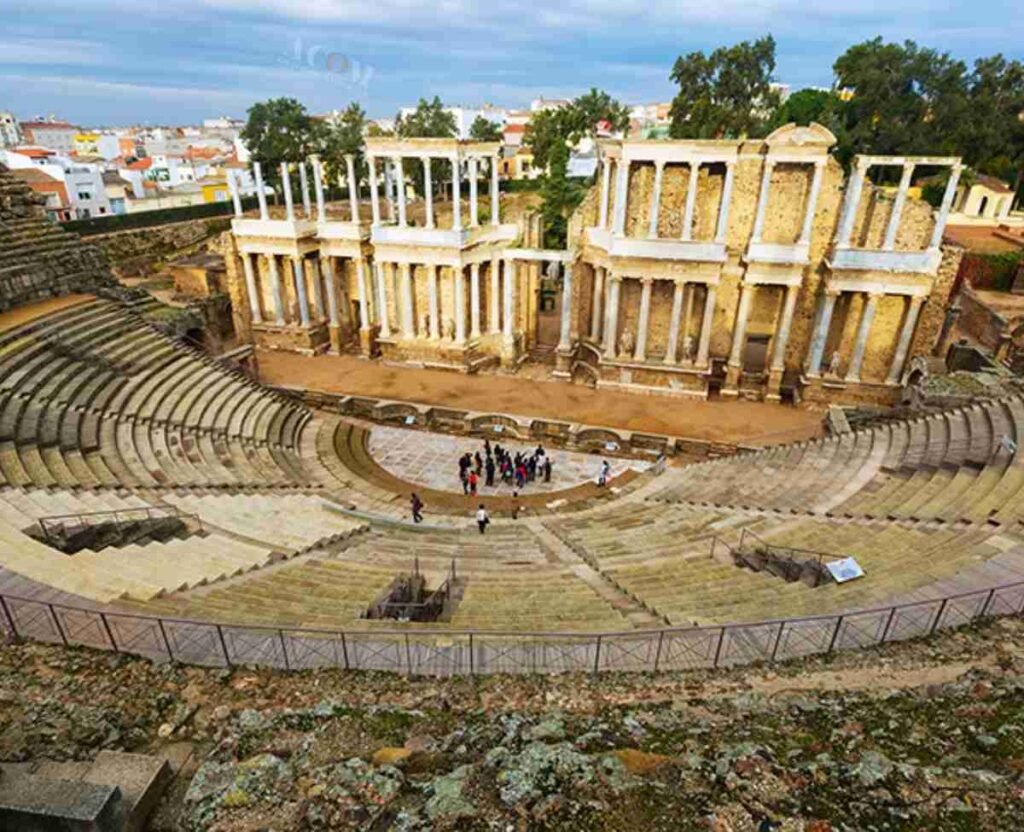
The Roman Theatre sits directly below the Alcazaba and provides a glimpse into Malaga’s Roman past. Its location in the heart of the historic centre makes it an easy stop even if you only have a short time in the city. Seeing the theatre together with the Alcazaba also gives you a quick overview of Malaga’s Roman and Moorish history.
3. Climb Gibralfaro Castle
Castillo de Gibralfaro occupies the hill above the Alcazaba and is one of the best places to see Malaga from above. The castle’s walls and elevated position provide views over the historic centre, port and Mediterranean. If you are planning to visit both the Alcazaba and Gibralfaro, allow enough time for the uphill route between them.
4. See Malaga Cathedral
Malaga Cathedral is one of the city’s most recognisable landmarks. Its mixture of Renaissance, Gothic and Baroque influences reflects the long architectural history of the building. The cathedral stands in the centre of the old town, making it easy to include alongside the Alcazaba, Roman Theatre and surrounding pedestrian streets.
5. Visit the Picasso Museum Málaga
Pablo Picasso was born in Málaga, making the city an important destination for visitors interested in his life and work. The Museo Picasso Málaga contains works spanning different periods of his career and is one of the city’s major cultural attractions. If Picasso is a major reason for your visit, you can also combine the museum with his former birthplace, now the Casa Natal Picasso.
6. Visit Picasso’s Birthplace
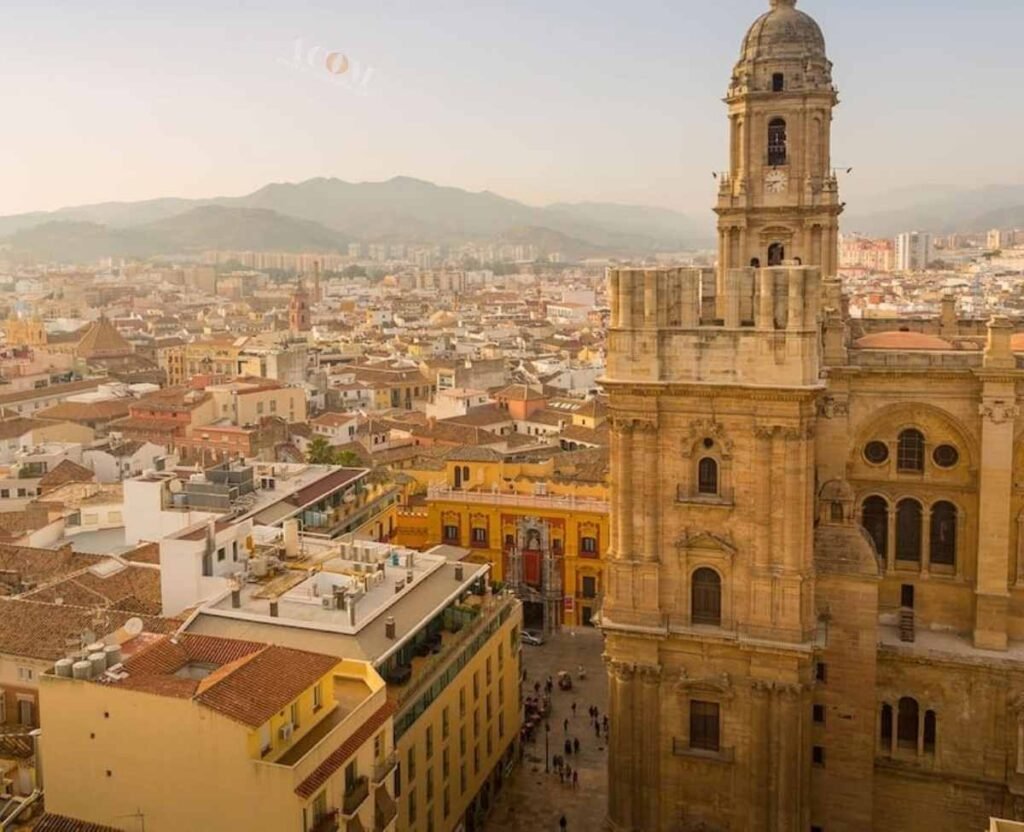
The Casa Natal Picasso provides more context about the artist’s early life in Málaga. It is located at Plaza de la Merced, an area that is also worth exploring for its cafés, open space, and connection with Picasso. Visiting both the birthplace and museum creates a more complete Picasso-focused experience than visiting either one alone.
7. Walk Through Malaga’s Old Town
Malaga’s historic centre is best explored on foot. Walk through the narrow streets around the cathedral, Plaza de la Constitución and Calle Marqués de Larios, stopping at small squares, cafés and shops along the way. This is also one of the easiest ways to experience Malaga without filling your day with ticketed attractions.
8. Walk Along Calle Marqués de Larios
Calle Marqués de Larios is one of Malaga’s best-known streets and a major pedestrian route through the centre. The elegant street connects important parts of the old town and is surrounded by shops, cafés and restaurants. It is particularly lively in the evening when visitors head into the surrounding streets for tapas and dinner.
9. Visit Mercado de Atarazanas
Mercado de Atarazanas is one of the best places to experience Malaga’s food culture. The market combines fresh produce, seafood, meat, fruit and local products with places to eat. Its historic building is also worth seeing while exploring the centre. It is a useful stop for travellers who want to experience everyday Malaga rather than visiting monuments all day.
10. Try Malaga’s Local Food
Food is an important part of visiting Malaga. Look for local specialities such as grilled sardines, known as espetos, seafood, fried fish and traditional Andalusian dishes. For a more local experience, explore the smaller tapas bars and seafood restaurants rather than relying only on restaurants around the busiest tourist streets.
11. Relax at La Malagueta Beach
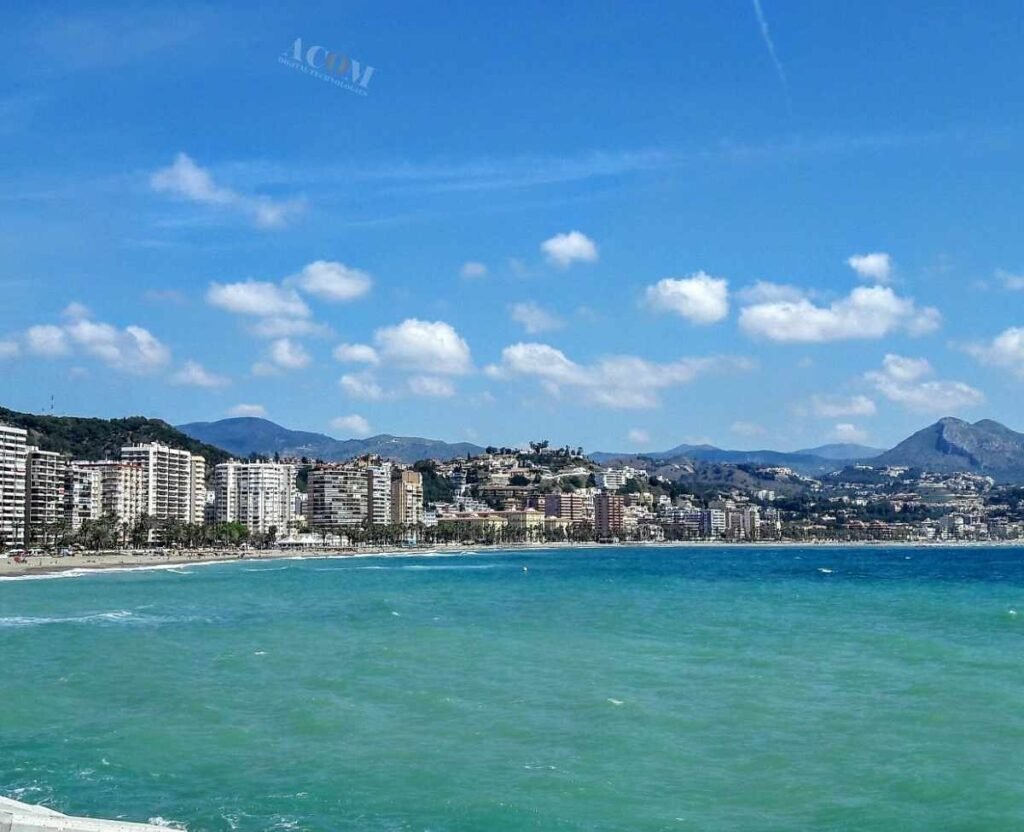
La Malagueta is Malaga’s main city beach and is close enough to the historic centre to combine sightseeing with time beside the Mediterranean. It is a good choice when you want a break after visiting museums and monuments. A beach visit can also be combined with a walk towards the port and La Farola.
12. Walk Around Muelle Uno
Muelle Uno is the modern waterfront area beside Malaga’s port. The promenade combines restaurants, shops, open spaces and views across the harbour, creating a noticeable contrast with the old town. It is particularly enjoyable in the late afternoon when you can combine a waterfront walk with dinner or a sunset stop.
13. See La Farola
La Farola is Malaga’s historic lighthouse and one of the symbols of the city. It stands at the end of the port area near Muelle Uno and provides another reason to continue walking beyond the central waterfront. The surrounding promenade is more important to the visitor experience than simply photographing the lighthouse itself.
14. Explore Palmeral de las Sorpresas
Palmeral de las Sorpresas is a palm-lined waterfront promenade running through the port area. It provides an easy walking route between the historic centre and Muelle Uno, with open views and plenty of space to stop along the way. It is particularly useful for visitors who want a relaxed walk rather than another museum or monument.
15. Visit Centre Pompidou Málaga
The colourful cube structure at the Málaga port houses Centre Pompidou Málaga, making it one of the city’s most recognisable modern cultural landmarks. The museum provides a strong contrast to the Alcazaba, cathedral and other historic attractions. It is a good choice if you want to balance Málaga’s Moorish and Spanish heritage with modern and contemporary art.
16. Explore Soho Malaga
Soho is Málaga’s arts-focused neighbourhood, known for street art, galleries, independent businesses and a more contemporary atmosphere. It is a good area to explore after visiting the historic centre because the architecture and atmosphere feel noticeably different. Soho is particularly suitable for travellers interested in urban art and local creative culture.
17. Visit the Carmen Thyssen Museum
The Carmen Thyssen Museum focuses strongly on Spanish art, with an important emphasis on Andalusian works. It provides a useful cultural experience for visitors who want to explore Spanish painting beyond Picasso. The museum is located centrally, so it can be included without making a major detour.
18. Enjoy Malaga Park
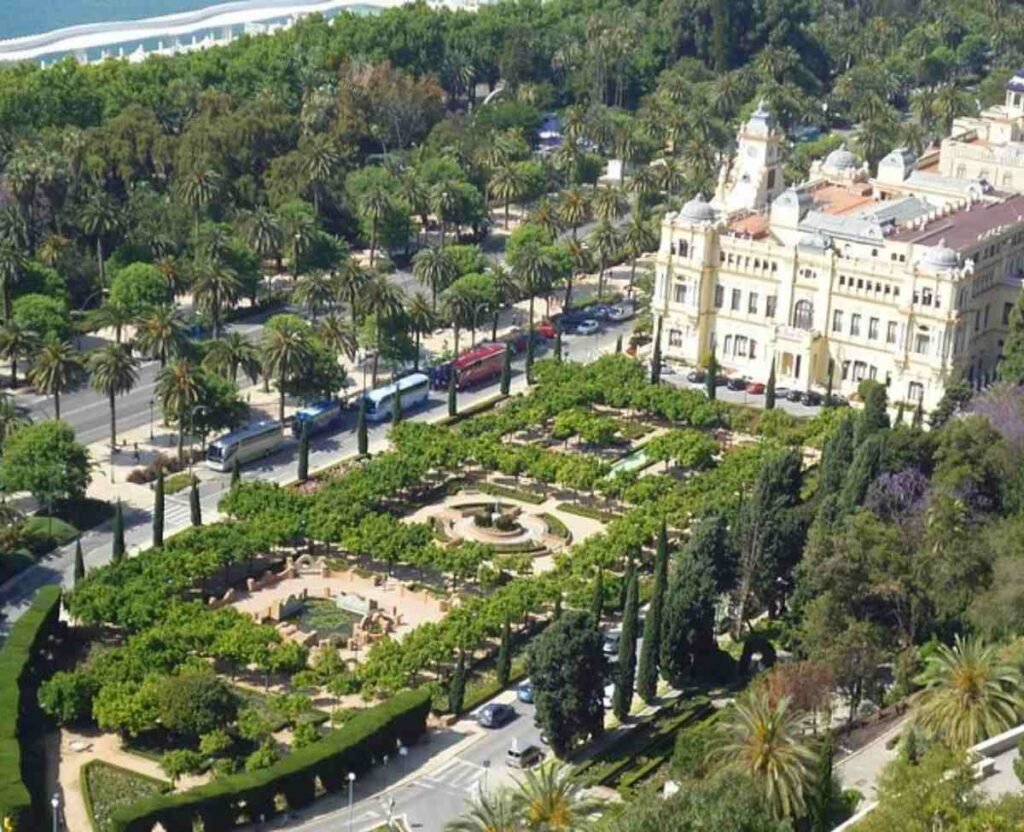
Malaga Park, also known as Parque de Málaga, is a large green space running between the historic centre and the port. Its gardens, palms and shaded paths provide a pleasant break from sightseeing. It is particularly useful during warmer weather when you want some time outdoors without leaving the centre.
19. Visit the Botanical Garden La Concepción
The Historic Botanical Garden La Concepción is a larger green attraction outside the immediate old town. Its landscaped grounds and extensive plant collection provide a completely different experience from Malaga’s historic monuments. It is best suited to visitors staying for several days who want to add gardens and nature to their itinerary. If you enjoy combining city sightseeing with green spaces, you may also be interested in exploring other wildlife parks and gardens.
20. See Malaga From a Viewpoint
Malaga’s hills provide several opportunities for panoramic views. The Gibralfaro area is one of the strongest choices because you can look across the city, port and Mediterranean from an elevated position. A viewpoint visit is particularly rewarding around late afternoon when the light changes over the city.
21. Explore Pedregalejo
Pedregalejo is a traditional seaside neighbourhood east of the city centre. It is known for its waterfront atmosphere and seafood restaurants, making it a good place to experience a different side of Malaga. The area is particularly associated with grilled sardine skewers and is worth considering if food and coastal life are priorities during your visit.
22. Take a Boat Trip Along the Coast
A boat trip provides another way to see Malaga and the Mediterranean coastline. Options can range from shorter sightseeing cruises to sunset trips, depending on the season and available activities. This is a good choice when you want to spend part of your trip on the water rather than continuing with museums and historic sites. For travellers who enjoy spending time around the water, water park activities can be another option to consider on a family holiday.
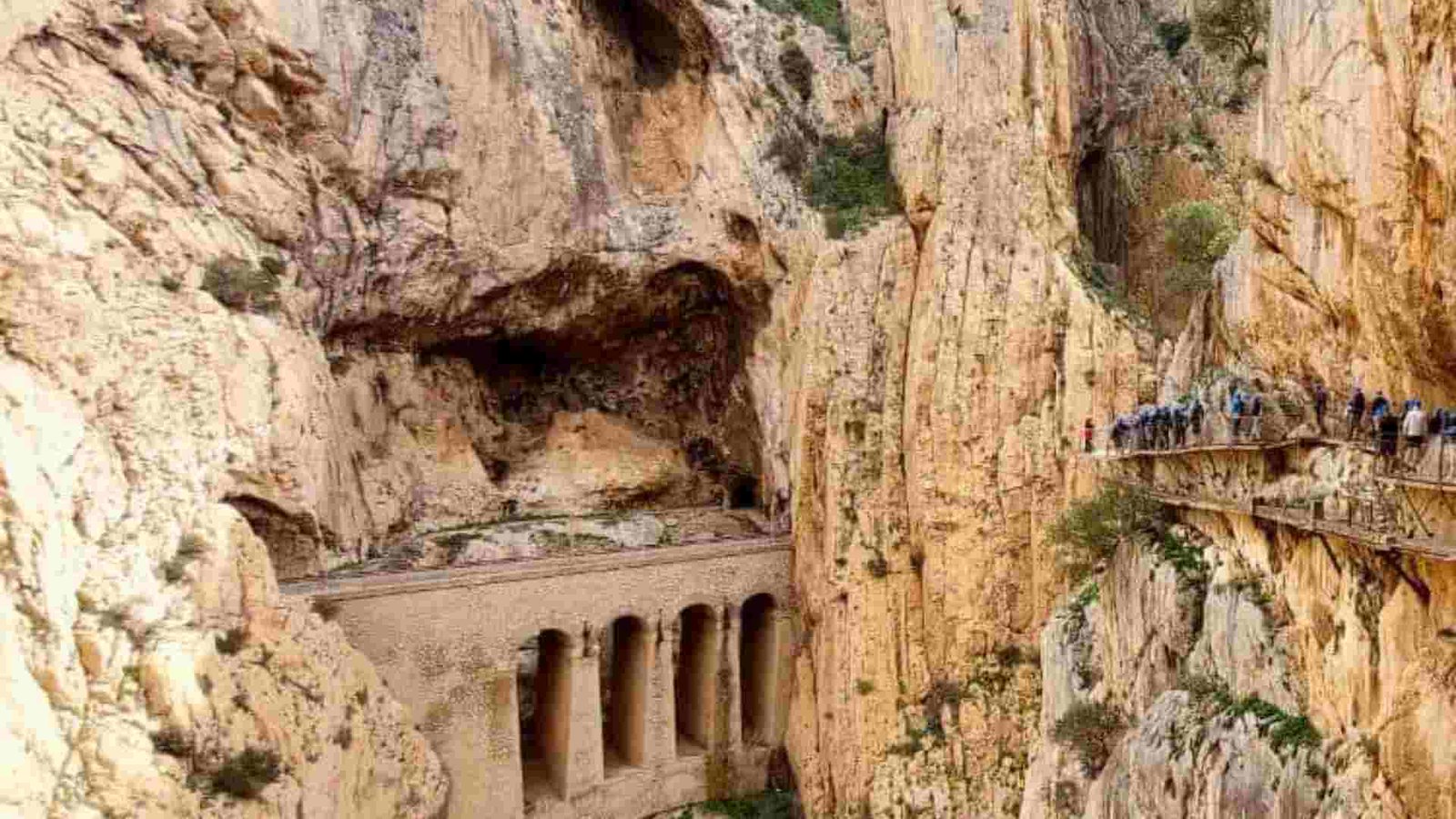
23. Take a Day Trip to Caminito del Rey
For travellers interested in nature and hiking, Caminito del Rey is one of the most memorable excursions available from the Malaga area. The route passes through dramatic gorge scenery and is very different from the city itself. It requires more planning than a normal Malaga attraction, so it is best considered when you have an extra day rather than trying to squeeze it into a short city itinerary. Current Malaga travel guides continue to highlight it as a major excursion option. Travellers who enjoy active outdoor experiences can also look at other outdoor adventure parks when planning future trips.
24. Take a Day Trip to Ronda
Ronda is another popular excursion from Malaga and offers dramatic landscapes, historic streets, and its famous gorge setting. It is a good option for travellers who want to experience more of Andalusia rather than spending their entire trip inside Malaga. If you only have two days, however, concentrate on Malaga itself before adding a longer excursion.
25. Enjoy Malaga After Dark
Malaga’s centre becomes particularly lively in the evening. Start with a walk through the old town or around Muelle Uno, then choose a tapas bar or restaurant for dinner. You can finish with a waterfront walk or find a rooftop or elevated viewpoint for nighttime views across the city. Malaga’s combination of historic streets, restaurants, port areas, and Mediterranean atmosphere means you do not need a complicated nightlife plan.
Best Things to Do in Malaga in 1 Day
If you only have one day, focus on attractions that are close together. Start with the Alcazaba and Roman Theatre, then visit Malaga Cathedral and explore the old town. Continue towards the Picasso Museum if art is a priority before walking through the centre towards Muelle Uno.
Finish the day with a beach or waterfront walk and dinner. Trying to visit every museum and viewpoint in one day will make the experience unnecessarily rushed.
Best Things to Do in Malaga in 2 Days
Two days give you enough time to experience the city’s main attractions at a more comfortable pace.
Day 1
- Alcazaba
- Roman Theatre
- Gibralfaro Castle
- Malaga Cathedral
- Old Town
- Calle Marqués de Larios
Day 2
- Picasso Museum
- Mercado de Atarazanas
- Muelle Uno
- Centre Pompidou
- La Malagueta
- Evening in the historic centre
If you prefer nature to museums, replace one of the cultural stops with a coastal afternoon.
Is Malaga Worth Visiting?
Yes. Malaga offers enough variety to work as both a short city break and a longer Costa del Sol base. Its strongest advantage is the combination of attractions. You can explore a Moorish fortress in the morning, visit a major art museum, eat seafood near the Mediterranean, and finish the day beside the port. That mix of history, art, food and coastal experiences is what makes Malaga more than simply an airport stop for the Costa del Sol.
FAQs
What are the best things to do in Malaga?
The Alcazaba, Gibralfaro Castle, Malaga Cathedral, Picasso Museum, Roman Theatre, Mercado de Atarazanas, Muelle Uno and La Malagueta are among the city’s main attractions.
What is Malaga famous for?
Malaga is known for its Mediterranean beaches, Moorish history, Picasso connections, museums, seafood, tapas, and its position on the Costa del Sol.
Is Malaga good for a weekend trip?
Yes. Two days are enough to cover the main historic attractions, museums, food markets, and waterfront areas without needing to rush constantly.
What can you do in Malaga for free?
Walking through the old town, exploring Calle Larios, visiting public waterfront areas, enjoying Malaga Park, and spending time on the beach are among the easiest free activities.
Is Malaga a walkable city?
The central attractions are relatively close together, and much of the historic centre is easy to explore on foot. The main exception is the uphill route towards Gibralfaro.
What food should you try in Malaga?
Try espetos, local seafood, fried fish, Andalusian tapas and other regional dishes. Mercado de Atarazanas is also useful for discovering local ingredients and food.
How many days do you need in Malaga?
Two days are enough for the main attractions. Three or more days allow you to add beaches, gardens, neighbourhoods, or a day trip.
Is Malaga worth visiting if you are not going to the beach?
Yes. Malaga has enough historic sites, museums, food experiences, gardens and cultural attractions to make a worthwhile trip even if you spend little or no time on the beach.
What are the best day trips from Malaga?
Caminito del Rey and Ronda are two strong choices, while other destinations around Andalusia can also be reached depending on how much time you have.
What should you not miss in Malaga?
For a first visit, prioritise the Alcazaba, Roman Theatre, Malaga Cathedral, Gibralfaro views, Picasso Museum, old town, and at least one experience around the Mediterranean waterfront.