Cotswold Wildlife Park Zoo: Animals, Experiences and What to Know Before Visiting
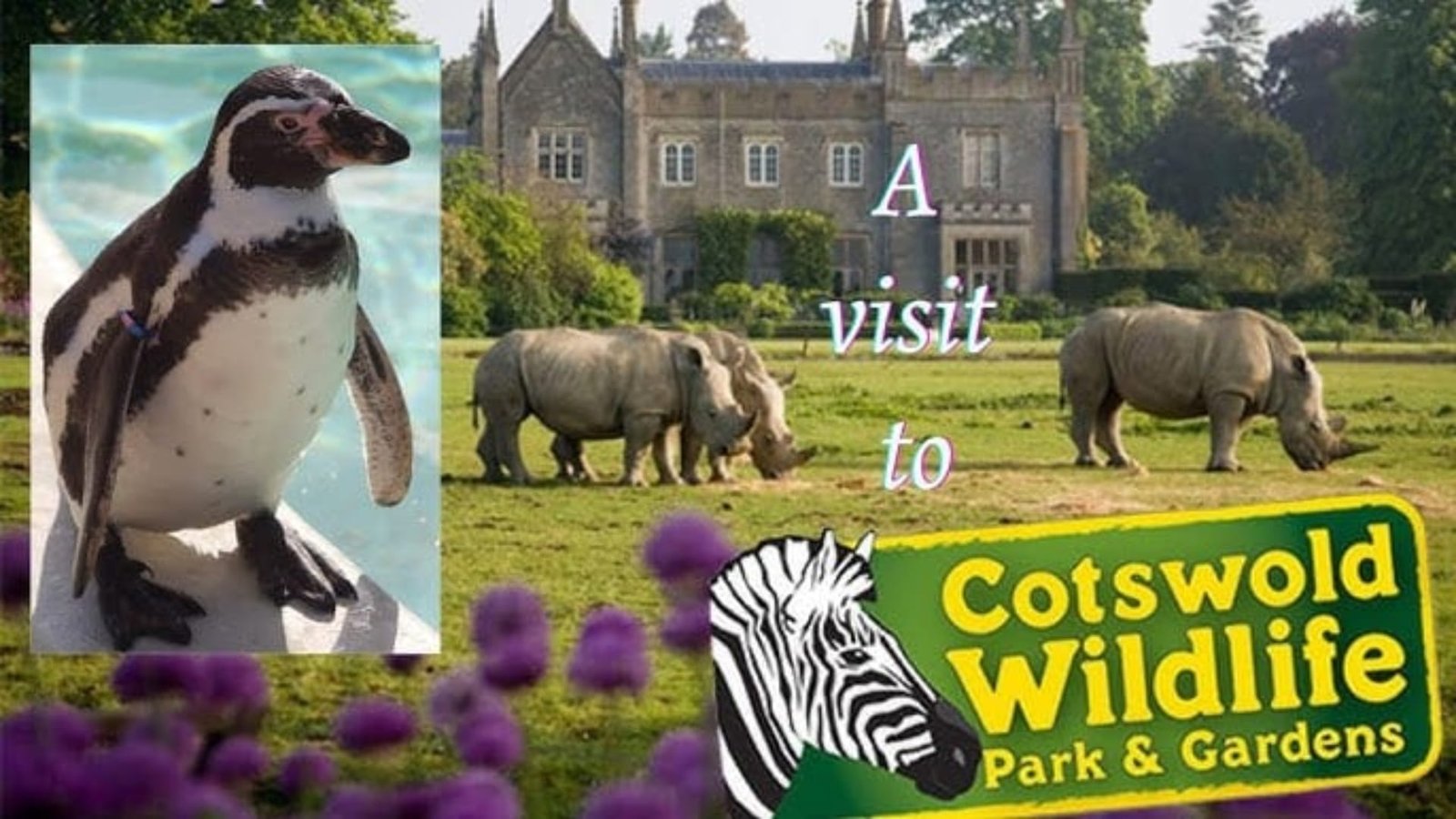
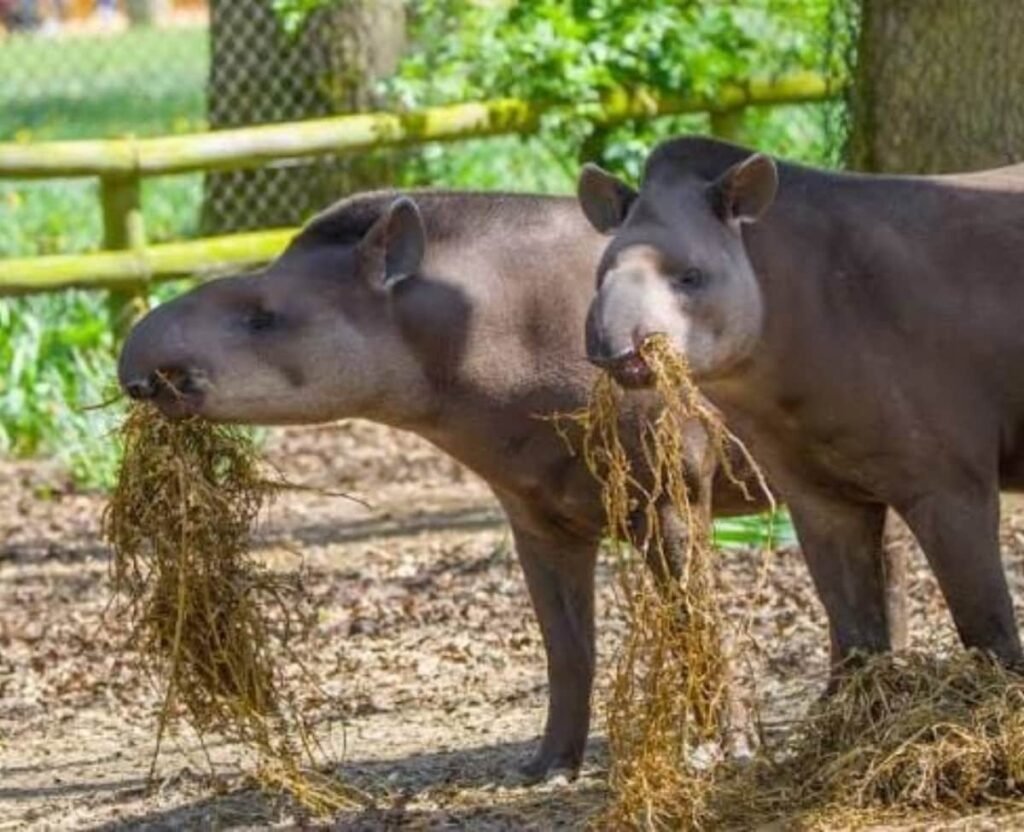
Cotswold Wildlife Park and Gardens is one of the most distinctive wildlife attractions in Oxfordshire, combining the feel of a zoo with the open layout of a walking safari. Set across more than 160 acres of parkland near Burford, the park is home to more than 250 species, including giraffes, Asiatic lions, white rhinos, zebras, lemurs, penguins, tapirs and giant tortoises.
Unlike a traditional zoo where visitors may move from one enclosed exhibit to another, Cotswold Wildlife Park uses spacious, landscaped habitats across its grounds. Visitors park their cars and explore the park on foot, which is why the attraction describes itself as a mixture of a zoo and safari park with the feel of a walking safari.
Table of Contents
What Is Cotswold Wildlife Park?
Cotswold Wildlife Park is a zoo and wildlife park near Burford in Oxfordshire. The park was established around the historic Manor House and its surrounding gardens, with the wildlife collection spread throughout the estate. Its 160-acre setting is one of its defining features. Instead of concentrating animals into a compact collection of exhibits, the park combines animal habitats, gardens, lawns and walking routes.
The result is an experience that sits between a conventional zoo and a safari park. You do not drive through the animal areas, but the open landscaping and spacious enclosures give the visit a safari-style atmosphere.
What Animals Are at Cotswold Wildlife Park?
Wildlife is the main reason most people visit, and the collection covers mammals, birds, primates, reptiles, amphibians and smaller species.

Giraffes, Rhinos and Other Large Mammals
Some of the park’s most recognisable animals include:
- Giraffes
- Southern white rhinos
- Asiatic lions
- Chapman’s zebras
- Brazilian tapirs
- Bactrian camels
- Giant anteaters
- Capybaras
- Giant tortoises
The large mammals benefit from the park’s spacious layout, allowing visitors to observe them in landscaped surroundings rather than simply viewing them through small indoor exhibits.
Primates and Small Mammals
The collection also includes several interesting primate and smaller mammal species. The Madagascar exhibit is particularly distinctive because visitors can walk through the area and see lemurs and other Madagascan species. Other animals include meerkats, red pandas, small-clawed otters, wolverines and two-toed sloths.
Birds
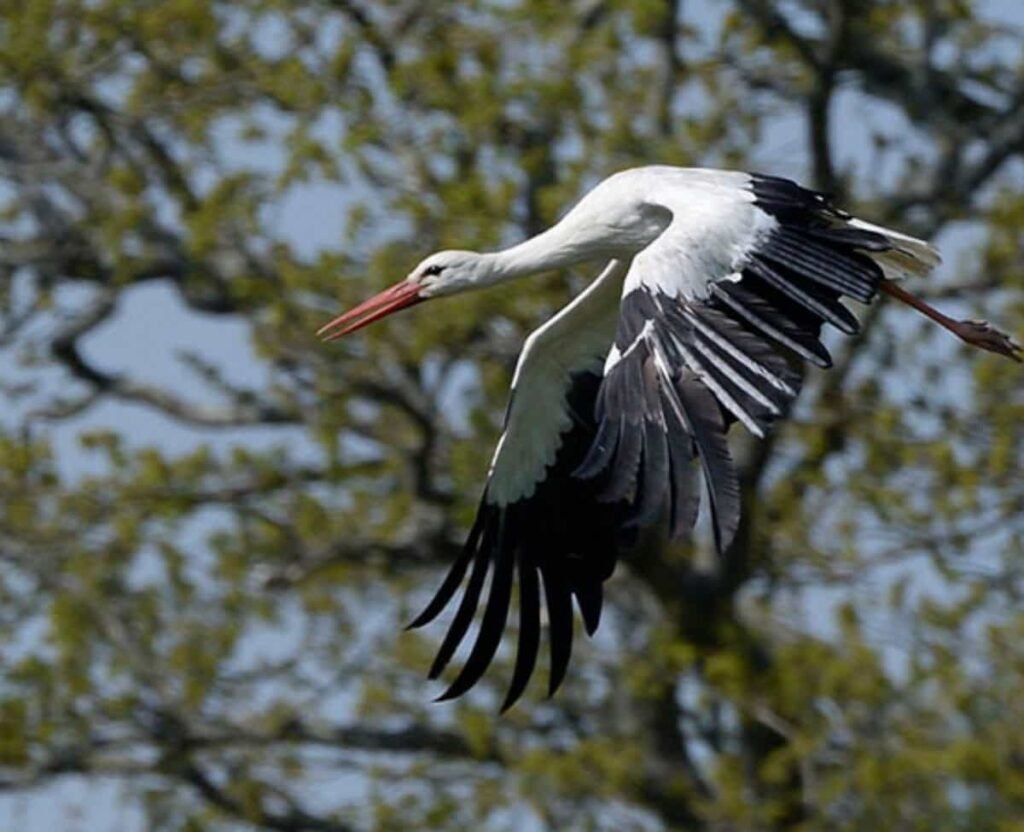
Birds are another major part of the collection, with more than 130 species represented at the park. Humboldt penguins are among the most popular, with regular feeding sessions and keeper talks.
Reptiles and Amphibians
The Reptile House provides a very different experience from the large outdoor habitats. Species include green anacondas and caimans, alongside other reptiles and amphibians.
Why Is Cotswold Wildlife Park Different From a Traditional Zoo?
The biggest difference is the way the park is laid out. Cotswold Wildlife Park describes itself as a mixture of a zoo and safari park. Visitors leave their cars in the free car park and explore the grounds on foot, moving between spacious and carefully landscaped animal enclosures. This creates a more open experience than many conventional zoos. The gardens, mature trees, lawns and historic setting are integrated into the animal collection rather than being separate from it. For visitors who enjoy walking and taking time to watch animals, this layout is one of the park’s strongest features.
Things to See at Cotswold Wildlife Park
You can easily spend several hours exploring the park, but a few areas are particularly worth prioritising.
Madagascar
The walk-through Madagascar exhibit is one of the park’s more memorable experiences. Visitors can walk among lemurs and learn more about Madagascan wildlife during the daily keeper talk. Pushchairs and buggies are not permitted inside the exhibit.
Giraffes and Rhinos
The giraffes and rhinos are among the park’s major wildlife highlights, with viewing areas set within the wider landscaped grounds.
Humboldt Penguins
Penguin feeding takes place twice daily at 11:00 am and 3:00 pm, with keepers available to answer questions and provide information about the birds.
Children’s Farmyard
Families with younger children can visit the Children’s Farmyard, where some animals can be approached and, where appropriate, touched under the park’s guidance.
Reptile House
The Reptile House adds variety to a visit focused largely on outdoor mammals and birds, with species such as anacondas and caimans.
Animal Encounters at Cotswold Wildlife Park
For visitors who want more than ordinary viewing, the park offers dedicated Animal Encounters that provide opportunities to learn about animal care and, depending on the experience, help with feeding. Current experiences include encounters with giant tortoises, lemurs, penguins, giraffes, farmyard animals, and tapirs and capybaras. Most experiences last around 30 minutes, although the duration varies by animal.
Animal Encounters have specific age and booking requirements. Children must be at least six years old, and encounters must be booked and paid for at least seven days in advance.
The park also offers a Keeper for a Day experience for visitors wanting a more in-depth look at animal care and keeper work.
Cotswold Wildlife Park for Families
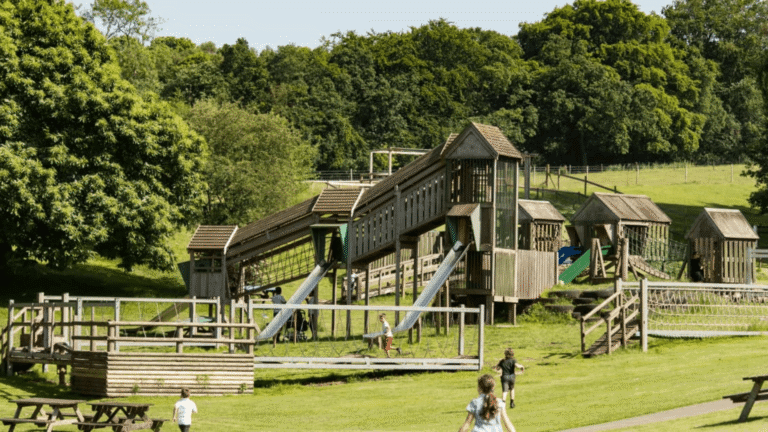
The park is particularly well suited to families because the wildlife experience is combined with facilities designed for children. The Adventure Playground and Skymaze provide climbing structures, slides, treehouses and play areas, while younger children have a separate Mini Manor area. There is also a narrow-gauge railway that operates from April to October, weather permitting. The train travels around the park and can be useful for families who want a break from walking. Because there is so much open space, families can also take advantage of picnic areas and lawns overlooking animal habitats.
Cotswold Wildlife Park Gardens
The gardens are not simply background scenery. They form an important part of the attraction.
The park’s gardening team maintains landscaped areas throughout the 160-acre grounds, combining planting with animal habitats and walking routes. This is one reason the park feels different from a typical zoo. Visitors are moving through gardens and parkland as well as animal exhibits, so the wildlife experience changes as you walk around the estate.
Daily Activities and Keeper Talks
You do not necessarily need to book an expensive animal encounter to hear from the keepers.
Regular activities include:
- Penguin feeding at 11:00 am and 3:00 pm
- A Madagascar lemur feeding talk at 12:00 noon
- Children’s Farmyard activities
- Seasonal railway rides
- Adventure playground access
Big-cat feeding is not scheduled as a routine daily activity because the park aims to replicate more natural feeding patterns rather than feeding the animals every day.
Is Cotswold Wildlife Park Good for Children?
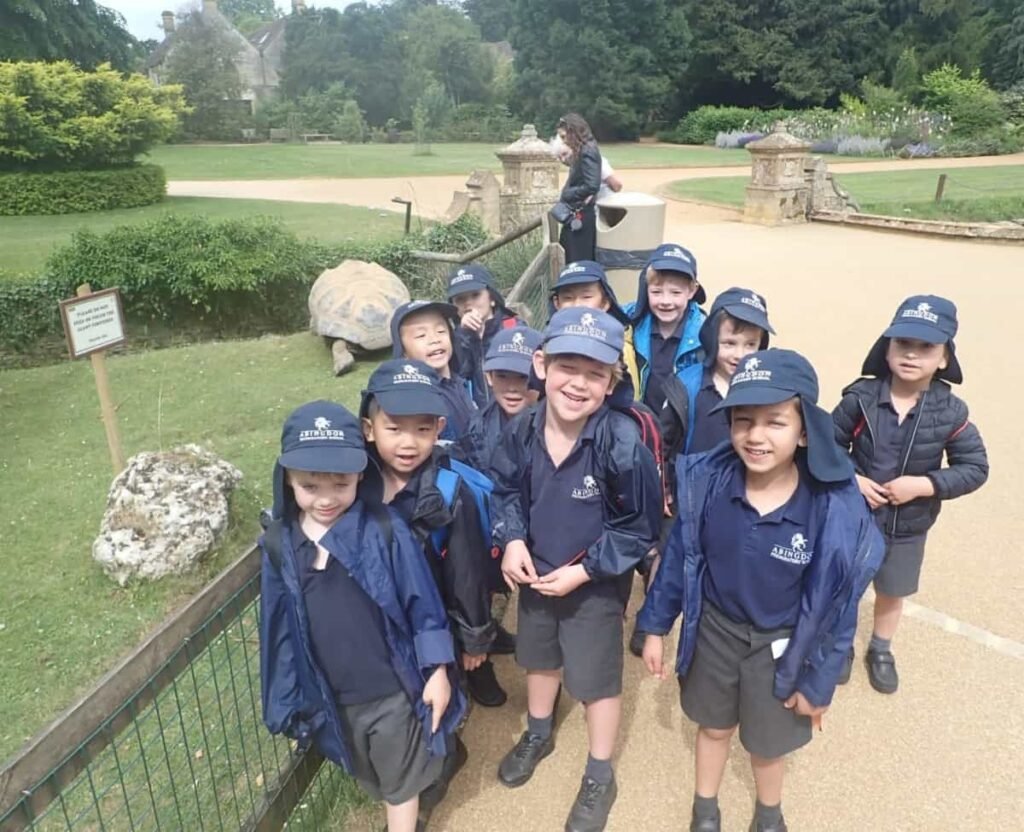
Yes. The attraction combines wildlife with enough family facilities to make it more than a simple animal-viewing trip. The Children’s Farmyard, Adventure Playground, Skymaze and seasonal railway give younger visitors activities between animal exhibits. Older children can also benefit from keeper talks and the variety of species across the park. The park also has educational programmes and talks for school and home-educated children, covering subjects such as African animals, habitats and adaptations.
How Long Do You Need at Cotswold Wildlife Park?
The park recommends allowing at least four hours for a visit. With more than 160 acres of parkland and a diverse animal collection, there is enough to see that a quick visit can feel rushed. Families may want longer if they plan to combine the animals with the playground, railway, food stops or other activities. A useful approach is to plan around the keeper talks and feeding times rather than trying to walk around the entire park as quickly as possible.
Cotswold Wildlife Park Opening Times and Tickets
Opening hours vary seasonally. During the summer schedule, the park is open daily from 10:00 am to 6:00 pm, with last admission at 4:00 pm. Winter hours are shorter, and seasonal maintenance closures can affect opening days. Current published day-ticket prices are £19.50 for adults, £14 for children aged 3–16 and £14 for senior citizens, while online e-tickets are currently cheaper at £17.50 for adults and £12.50 for children and seniors. Children aged 0–2 enter free. Because prices and opening arrangements can change, checking the current visitor information before travelling is sensible.
Facilities at Cotswold Wildlife Park
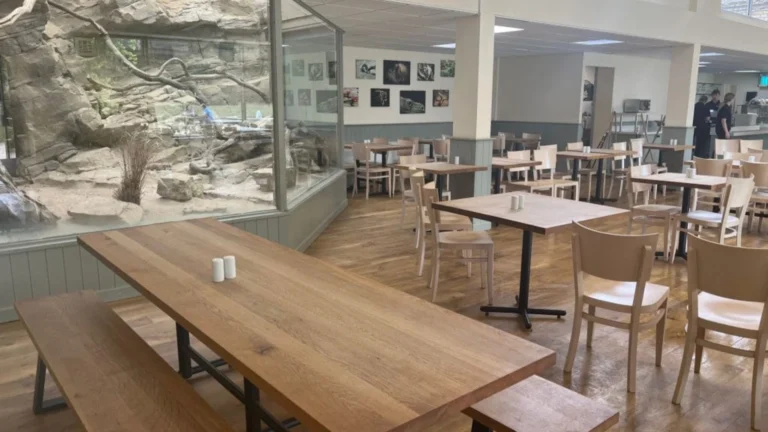
The park has facilities designed to make a longer visit easier, including the Oak Tree Restaurant, seasonal refreshment kiosks, picnic areas, toilets and baby-changing facilities.
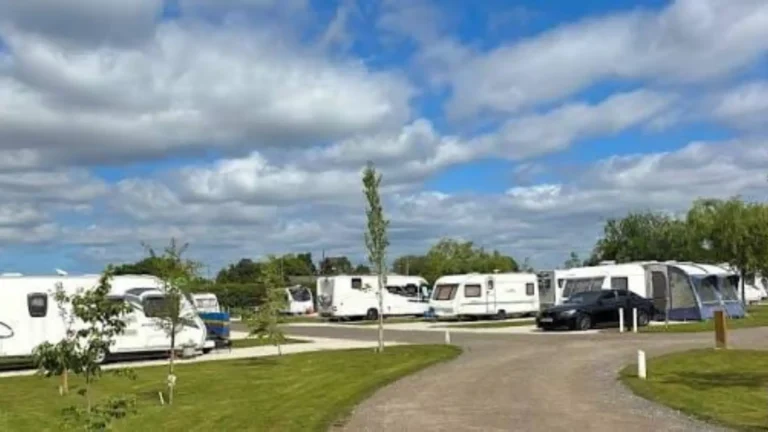
There is also free parking, and visitors can return to their cars during the day if needed.
For accessibility, the park states that it provides wheelchair access to all enclosures, the narrow-gauge railway, gift shop and self-service cafeteria, with accessible toilets across the site.
Can You Take Dogs to Cotswold Wildlife Park?
Dogs are allowed provided they remain on a lead and under adult control. However, they are not permitted in several areas, including indoor animal houses, the Children’s Farmyard and free-roaming animal areas such as Madagascar and the Wolf Walkway. Dogs are also not allowed in the restaurant or gift shop. If you are planning to bring a dog, it is important to consider these restrictions before your visit because you will not be able to take your pet everywhere within the park.
Is Cotswold Wildlife Park Worth Visiting?
Cotswold Wildlife Park is particularly worthwhile if you want a wildlife experience rather than a conventional zoo visit. Its strongest features are the combination of a large parkland setting, varied animal collection, landscaped habitats, gardens and family facilities. The walking-safari style also gives visitors a different experience from drive-through safari parks. It is especially appealing to families, wildlife enthusiasts and visitors who enjoy spending time observing animals rather than simply moving from one exhibit to another.
FAQs
Is Cotswold Wildlife Park a zoo or a safari park?
It is a mixture of both. Visitors explore the park on foot through spacious, landscaped animal enclosures, giving it the feel of a walking safari.
What animals are at Cotswold Wildlife Park?
The park has more than 250 species, including giraffes, Asiatic lions, white rhinos, zebras, tapirs, lemurs, penguins, red pandas, giant tortoises and many other mammals, birds, reptiles and amphibians.
Does Cotswold Wildlife Park have giraffes?
Yes. Giraffes are part of the park’s mammal collection and are one of its prominent large-animal attractions.
Can you see lions at Cotswold Wildlife Park?
Yes. The park has Asiatic lions as part of its animal collection.
How long should you spend at Cotswold Wildlife Park?
The park recommends allowing at least four hours, although families may choose to spend longer using the playground, railway and other facilities.
Does Cotswold Wildlife Park have animal encounters?
Yes. Experiences include giraffe, lemur, penguin, giant tortoise, tapir and capybara encounters, as well as farmyard experiences.
Is Cotswold Wildlife Park good for children?
Yes. Alongside its animal collection, the park has a Children’s Farmyard, Adventure Playground, Skymaze and seasonal narrow-gauge railway.
Are dogs allowed at Cotswold Wildlife Park?
Yes, dogs can visit on leads, but they are restricted from several indoor and free-roaming animal areas.
What time does Cotswold Wildlife Park open?
Summer opening hours are currently 10:00 am to 6:00 pm, with last admission at 4:00 pm. Opening times change seasonally, so visitors should check the current schedule before travelling.
Is Cotswold Wildlife Park worth visiting?
For visitors who enjoy wildlife, gardens and spacious outdoor habitats, it offers a distinctive alternative to a conventional zoo, with enough animal variety and family activities to make it a substantial day out.